How heavy should my Kilimanjaro bag be?
Keep your porter's bag as light as possible. Ask us for the current limit when you book. KPAP says a porter's total load should not exceed 20 kg (44 lb).

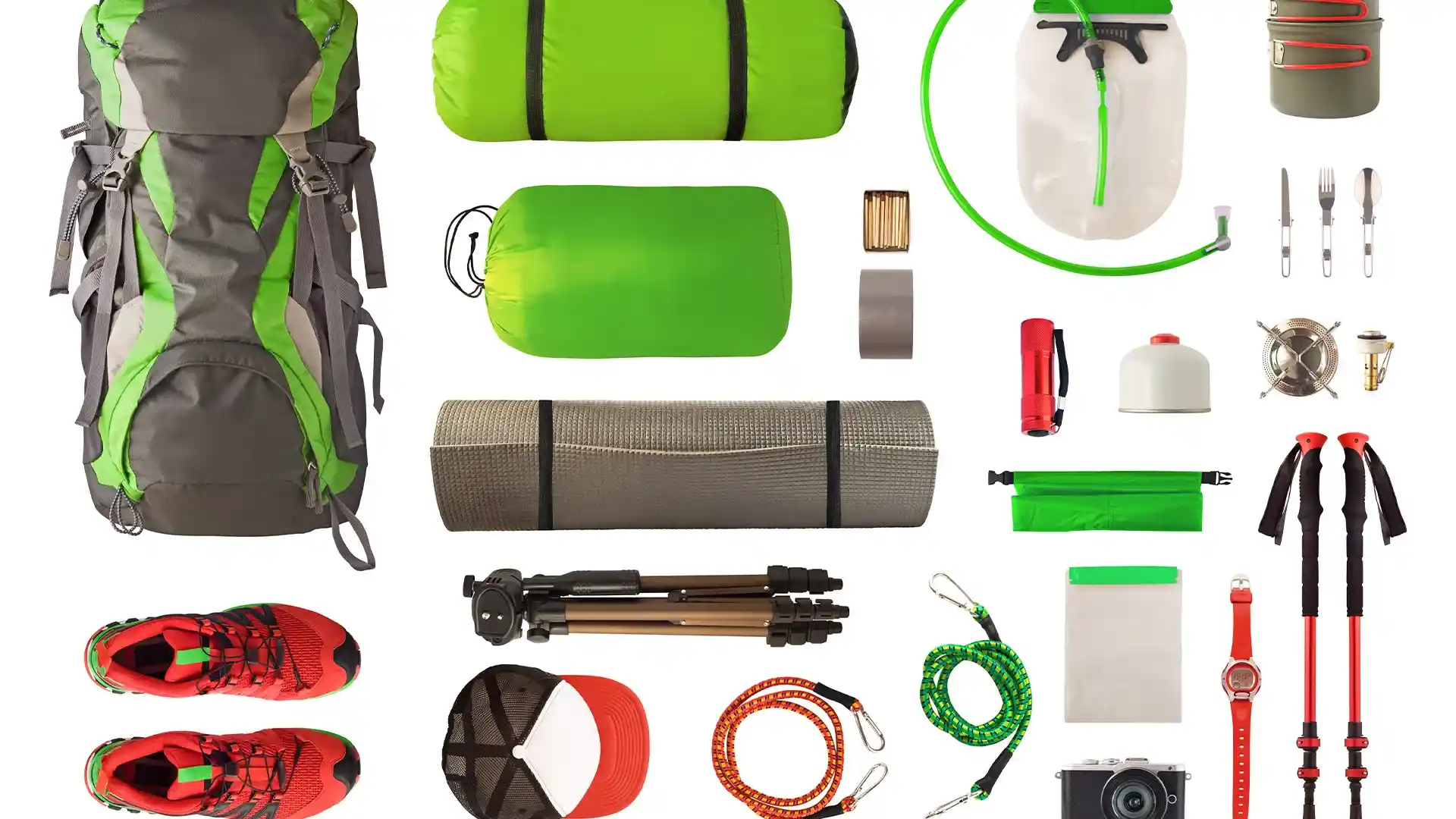
Packing for Kilimanjaro is tricky because you pass through almost every climate on Earth in a single week. You start in warm, humid rainforest in a T-shirt, and a few days later you are climbing through the night at around -20°C (-4°F) with wind. Bring too little and summit night becomes miserable or dangerous. Bring too much and you are asking a porter to carry it.
The solution is layers. This Kilimanjaro packing list covers what to bring, what you can rent in Moshi, and what we provide. Your porter carries your main bag, and you carry a small daypack with water, snacks and rain gear.
We provide tents, a dining tent and sleeping mats on camping routes, or bunk beds and mattresses in the huts on Marangu. We also provide all meals and drinking water on the mountain. You bring your own clothes and personal items, plus a sleeping bag and trekking poles, which you can also rent in Moshi. Ask us for current gear rental prices when you book.
Think in layers rather than single warm items. A base layer moves sweat away from your skin, a mid layer traps heat, an insulated jacket adds warmth, and a shell keeps out wind and rain. Add or remove layers as you go. Avoid cotton, because it stays wet and chills you when you stop.
| Item | What to bring |
|---|---|
| Base layers | 2 to 3 moisture-wicking tops, 1 to 2 thermal bottoms, no cotton |
| Mid layers | Fleece jacket and trekking pants |
| Warm jacket | A heavy down or synthetic jacket for summit night and camps |
| Waterproofs | Waterproof jacket and pants |
| Head | Warm hat or balaclava, sun hat, neck gaiter, UV-protective sunglasses |
| Hands | Thin liner gloves inside windproof insulated gloves or mittens, plus hand and toe warmers for summit night |
| Feet | Broken-in waterproof boots, camp shoes, 4 to 5 pairs of wool or synthetic socks, gaiters |
| Item | Notes |
|---|---|
| Main duffel bag | A soft bag for your porter to carry. Keep it light. KPAP says a porter's load should not exceed 20 kg (44 lb). |
| Daypack | About 25 to 35 liters, with a waterproof cover |
| Sleeping bag | Rated for very cold temperatures. Available to rent in Moshi. |
| Trekking poles | Very useful on the descent. Available to rent in Moshi. |
| Water | Wide-mouth bottles holding about 3 liters, which freeze less easily than narrow-mouth bottles or hydration tubes, plus an insulated flask for hot drinks on summit night. |
| Headlamp | Bring spare batteries for summit night |
| Personal items | High-SPF sunscreen, lip balm, wet wipes, hand sanitizer, toilet paper and a first-aid kit with blister plasters, ibuprofen, altitude medication and your own medicines |
| Snacks | Bring energy foods you like, as appetite can fall at altitude |
Your boots are the single most important item you buy. Choose waterproof boots with ankle support and good grip, and wear them on several long walks before you travel. Do not rent boots, and do not arrive with a new pair. Bring thick socks, and keep your boots in your hand luggage on the flight, so that a lost bag does not end your climb.
Most climbers wear a thermal base layer, a fleece, a heavy jacket and a waterproof shell on top, with thermal bottoms, trekking pants and waterproof pants on the legs. Add a warm hat, a neck gaiter, liner gloves and heavy gloves. Keep your phone and spare batteries in an inside pocket, as cold drains them quickly. Fill your bottles with warm water, and carry them upside down so that the openings do not freeze.
If you will not use an item again, renting makes sense. Sleeping bags and trekking poles are commonly rented, and so are heavy jackets, gaiters and warm gloves. Buy or bring anything that touches your skin, as well as your boots. Check what you need at your briefing the day before the climb, while there is still time to fill any gaps. Ask us for current prices.
You will not see your main bag until camp, so your daypack needs everything for the day: water, snacks, a warm layer, rain gear, sunscreen, sunglasses, a hat, a camera, and any medication you may need. Keep it to about 5 to 6 kg (11 to 13 lb).
Leave valuables, clean clothes and any documents you do not need at your Moshi hotel. Two nights in a mid-range Moshi hotel are included by default, one before and one after the climb. If you would prefer a different standard, tell us and we will adjust your quote. If you are going on to a safari, pack those clothes separately.
A light, quick-dry shirt and trekking pants are usually enough, with your rain jacket close at hand. Gaiters help when the path is muddy.
Add a fleece for the mornings and evenings. Sun protection becomes important here, because the sun is strong even when the air feels cool.
Wear a base layer and fleece, with a wind shell. Keep your warm hat and gloves in your daypack, as the temperature drops quickly when the sun goes behind a cloud.
Wear everything you have brought for warmth. In camp, change into dry base layers before you sleep, and keep tomorrow's clothes in your sleeping bag so that they are warm in the morning.
Talk to a travel clinic about what you personally need. Many climbers bring pain relief, blister plasters, rehydration salts, stomach medicine, any prescriptions you take, and altitude medication if your doctor recommends it. Keep prescription medicines in their original packaging and in your hand luggage on the flight. Our altitude sickness guide explains more about Diamox.
You do not need to pack any of this. We carry pulse oximeters to track your blood-oxygen levels each day, emergency oxygen cylinders for emergency descents and severe altitude illness, and a Gamow bag, a portable pressure chamber used to treat advanced altitude sickness. Your own first-aid kit is still important for everyday problems such as blisters and headaches.
Keep your porter's bag as light as possible. Ask us for the current limit when you book. KPAP says a porter's total load should not exceed 20 kg (44 lb).
Yes, including sleeping bags and trekking poles. Ask us for current prices, and bring boots you have already worn in.
No. Bring your own or rent one in Moshi. We provide tents and sleeping mats on camping routes.
Choose waterproof, ankle-supporting boots and wear them for several long walks before your climb.
Not on the standard routes in normal conditions. Your guide will tell you if conditions are unusual.
Prepare for summit night, and let everything else follow from that. Bring boots you trust, gloves that truly keep you warm and layers you can adjust. Send us your list if you are unsure, and we will tell you what to bring and what to rent.
Send us your list, and we will tell you what to bring and what to rent.