Mount Kilimanjaro

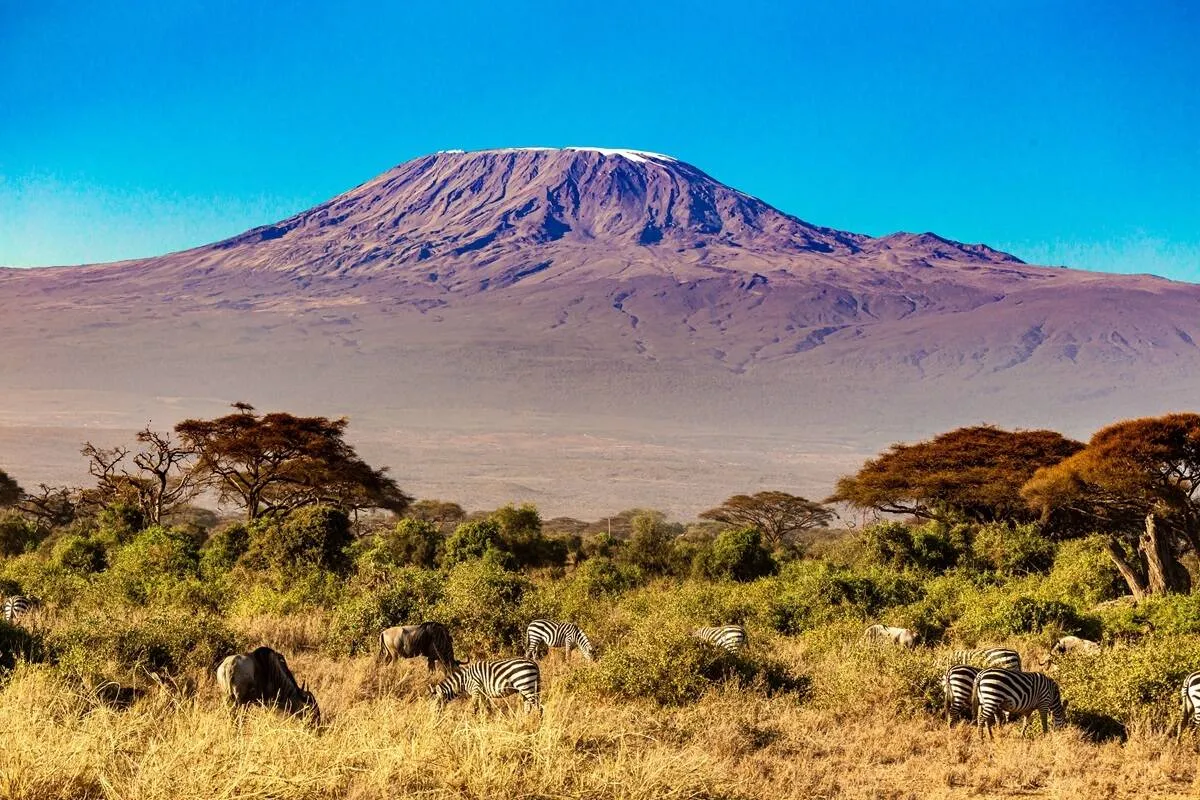
Mount Kilimanjaro rising above the savanna

Tanzania, East Africa

Mount Kilimanjaro travel guide

Mount Kilimanjaro is a freestanding volcanic massif in northern Tanzania and the highest peak on the African continent at 5,895 metres above sea level. It is one of the Seven Summits and one of the highest free-standing mountains in the world. Unlike most high-altitude peaks of comparable elevation, Kilimanjaro can be climbed without technical mountaineering equipment - no ropes, crampons, or ice axes are required on the standard routes - which makes it accessible to fit, determined trekkers. The mountain consists of three volcanic cones: Kibo (which contains Uhuru Peak, the true summit), Mawenzi, and Shira. It sits on the Tanzania-Kenya border in the Kilimanjaro region, with the town of Moshi at its southern base.

At a Glance

Mount Kilimanjaro key facts

Summit elevation 5,895 m (Uhuru Peak, Kibo cone)
Location Kilimanjaro region, northern Tanzania
National Park Kilimanjaro National Park (established 1973; UNESCO World Heritage Site 1987)
Nearest town Moshi (approx. 50 km from Marangu gate)
Climbing routes Machame, Marangu, Lemosho, Rongai, Northern Circuit, Umbwe
Best time to climb January to mid-March and June to October (clearest skies, driest conditions)

What to Know

Mount Kilimanjaro highlights

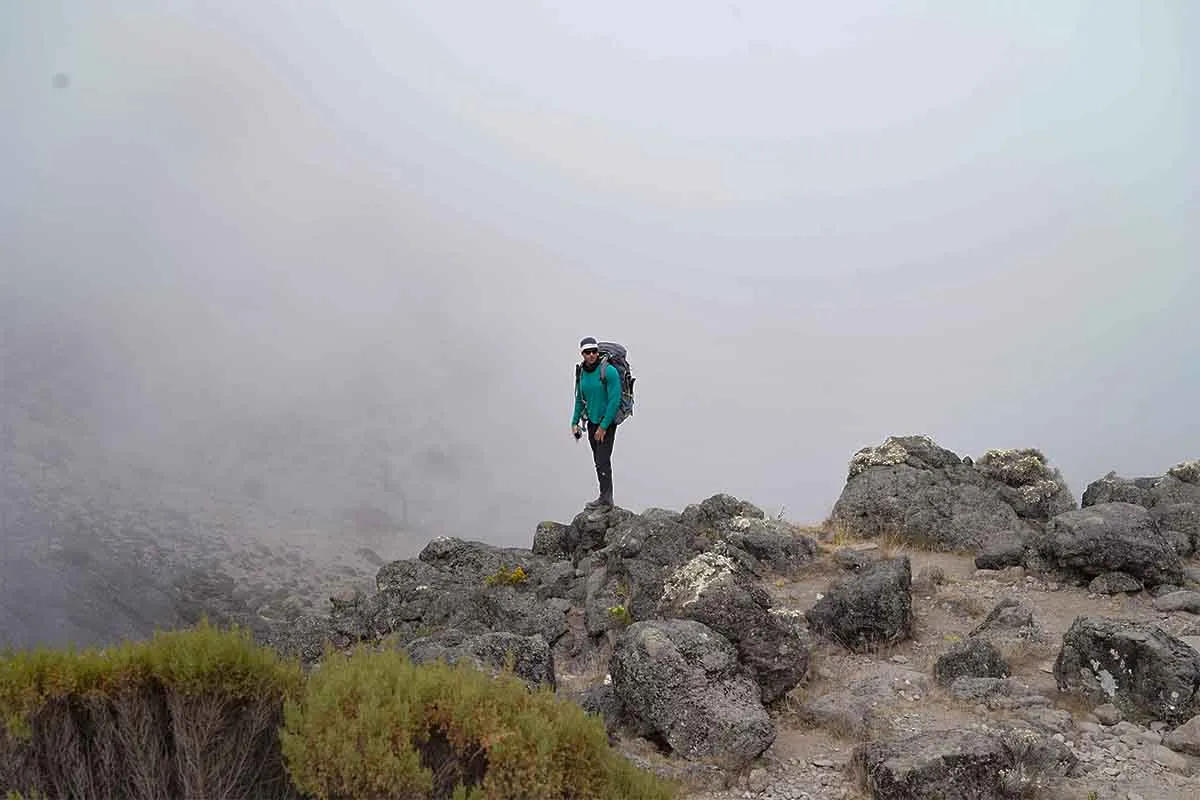
  • Climbers ascending Kilimanjaro with glaciers in the background

    Climbing the mountain

    Kilimanjaro is climbed via a network of routes that approach from different sides of the mountain. The Machame Route on the southern side is the most popular and offers excellent scenery and a good acclimatisation profile. The Marangu Route is the only one with permanent hut accommodation. The Lemosho and Northern Circuit routes are longer and have the best success rates due to extended acclimatisation time. The Rongai Route approaches from the north and is the driest option. We operate all five main routes from our base in Moshi.
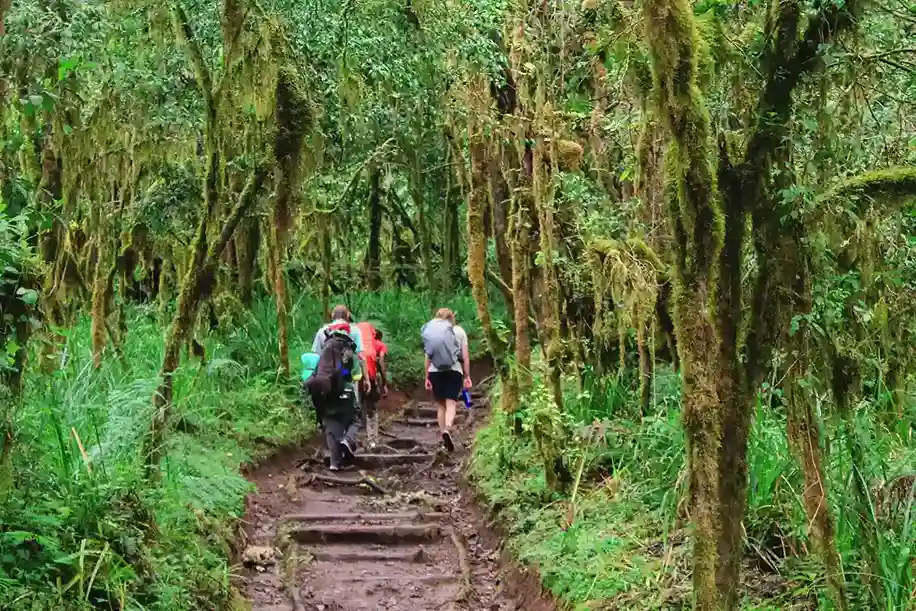
  • Kilimanjaro rainforest zone dense vegetation

    Vegetation zones

    The mountain passes through five distinct ecological zones as you ascend: cultivated farmland at the base, montane rainforest, heath and moorland, alpine desert, and finally the arctic summit zone with glaciers and ice fields. Each zone has its own character, wildlife, and challenges. The rainforest zone is the most biologically diverse and is home to colobus monkeys, forest birds, and a variety of orchids and ferns. The glacier zone at the summit is retreating due to climate change and is considerably smaller than in historical photographs.

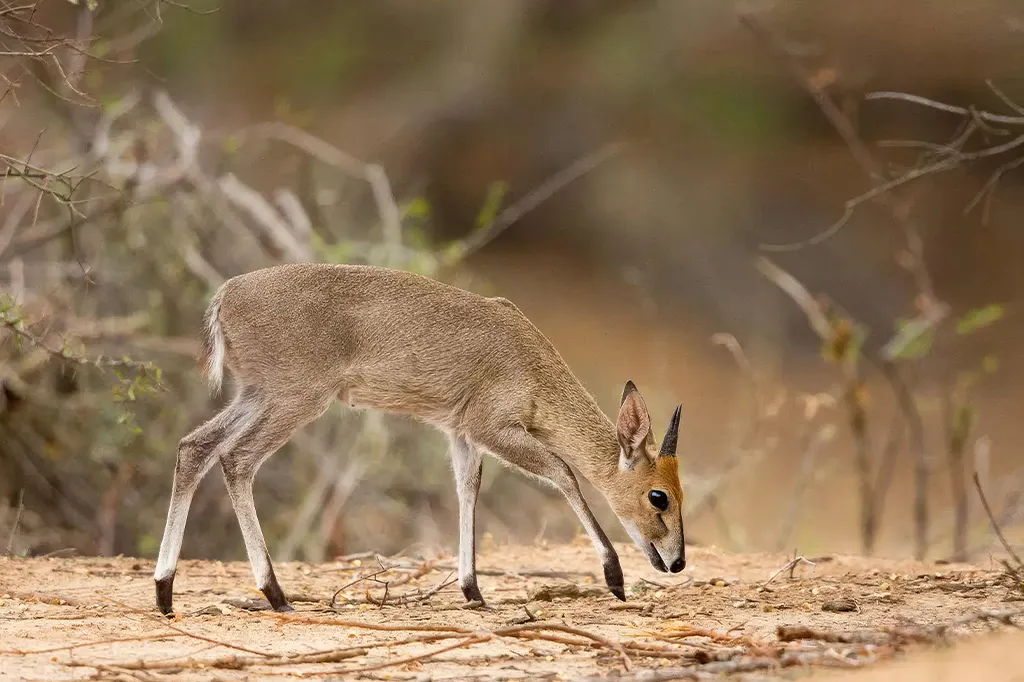
  • Wildlife in the Kilimanjaro National Park forest zone

    Wildlife on Kilimanjaro

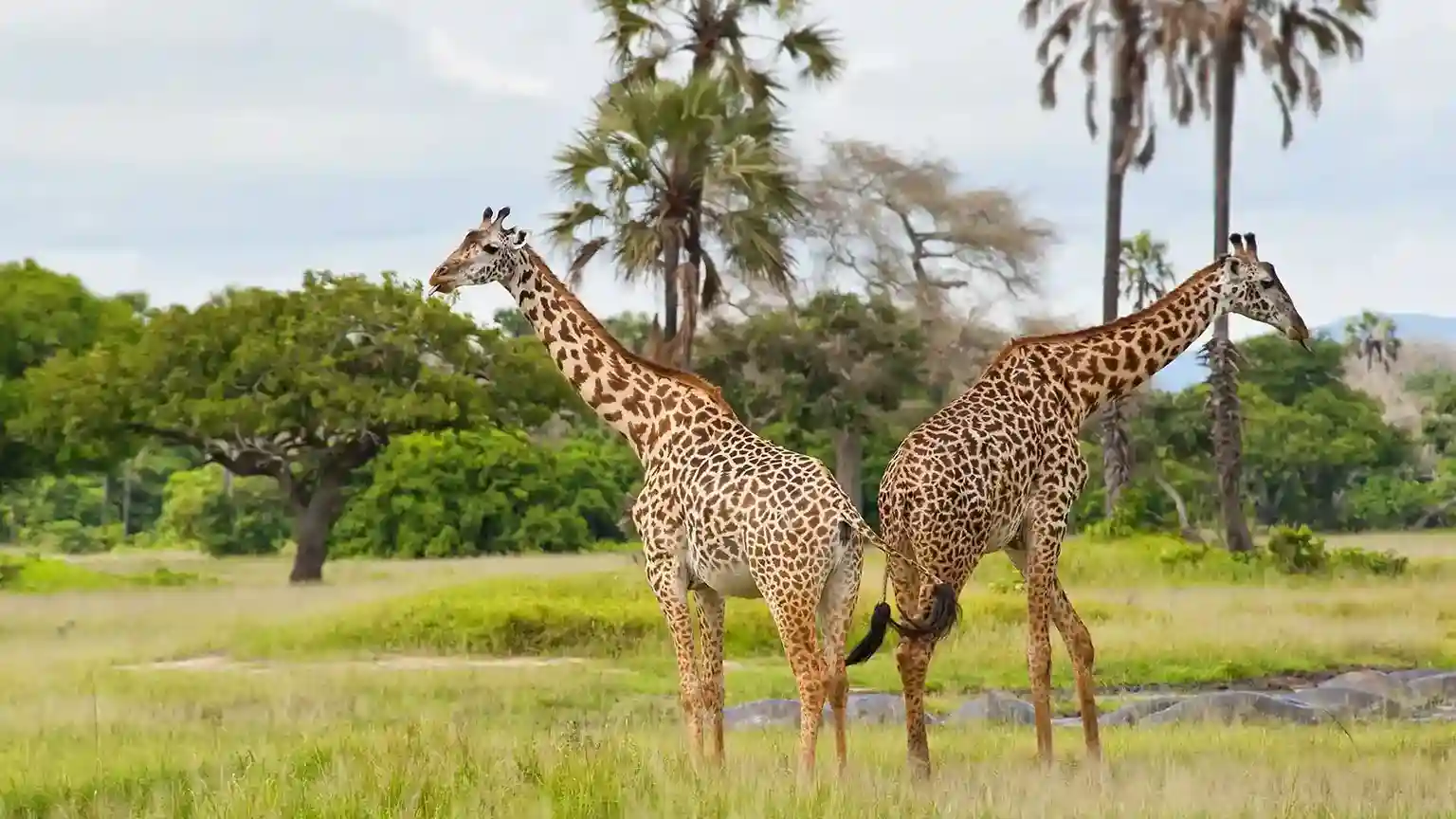
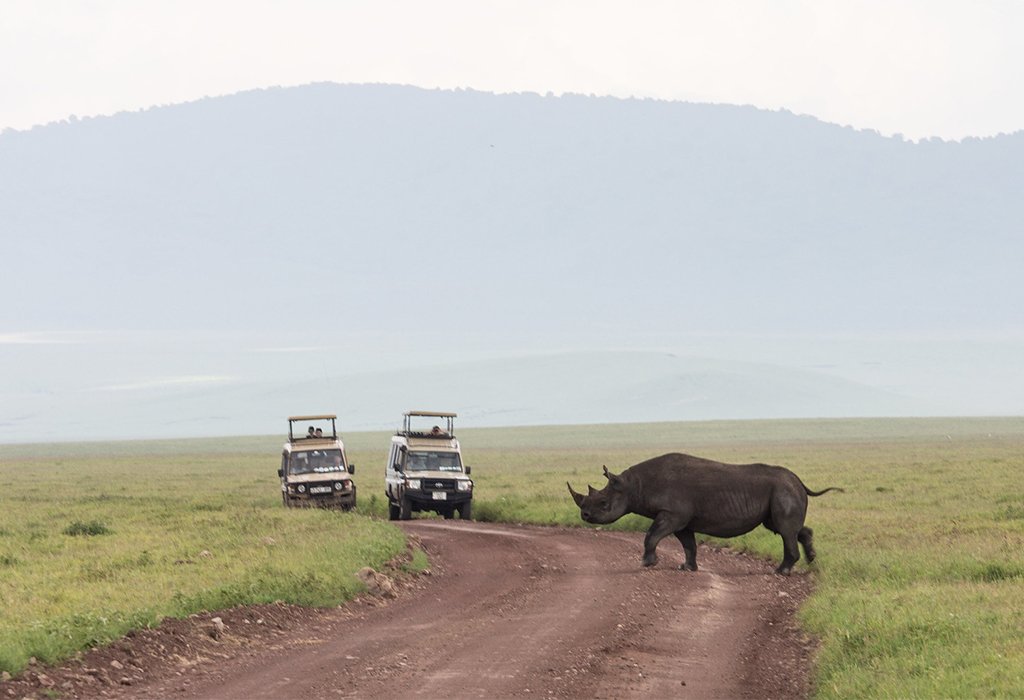
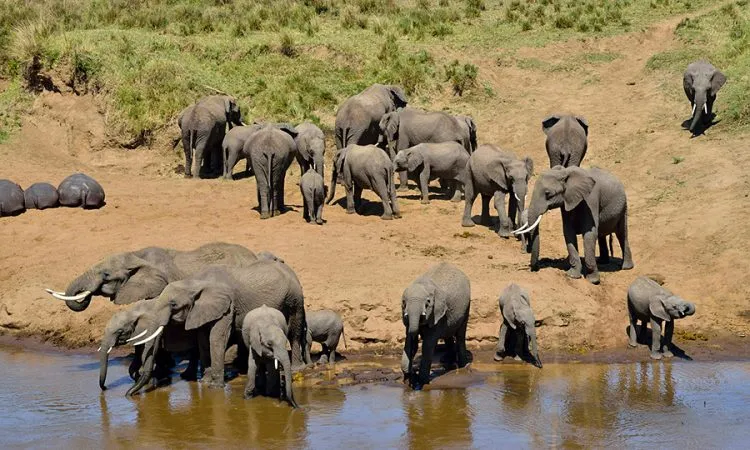
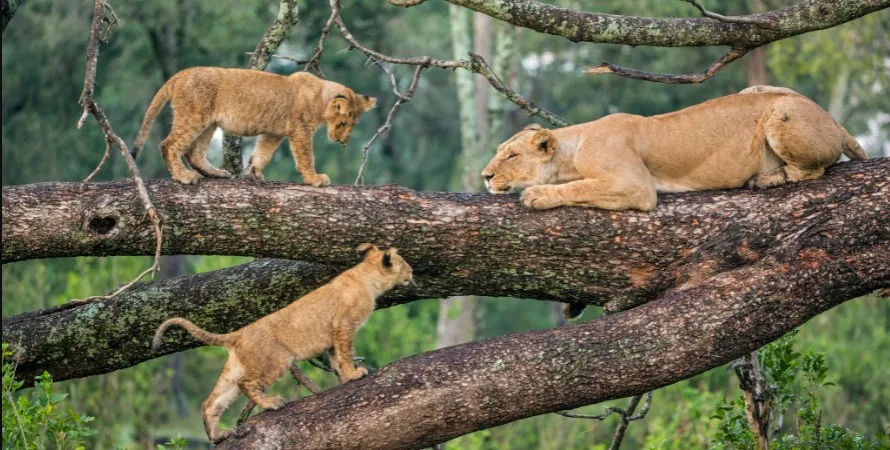
    Kilimanjaro National Park is a wildlife park as well as a mountain park. The forest zone on the lower slopes supports black-and-white colobus monkeys, blue monkeys, bushbuck, elephant, and buffalo. Elephants occasionally reach the moorland zone. The moorland supports eland and various raptors. Above the moorland, the alpine desert is largely lifeless apart from the remarkable giant groundsel and lobelia plants that have adapted to the extreme conditions.

More Destinations

Ready to visit Mount Kilimanjaro?

Tell us when you are travelling and what interests you - we will build the right itinerary around Mount Kilimanjaro.