Can I visit a Maasai village on a day trip from Moshi?
It is possible, although the best-known communities are closer to Arusha and Ngorongoro. Ask us what fits your dates.

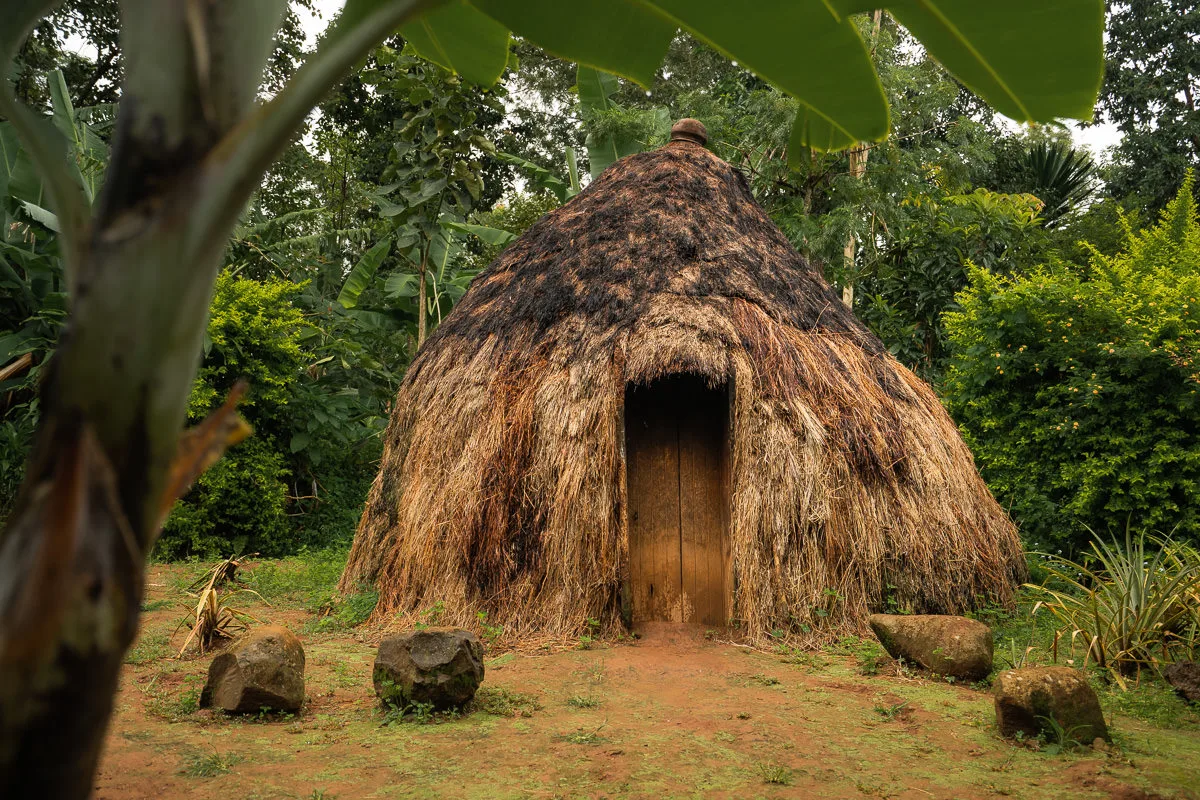
Tanzania has more than 120 ethnic groups, and yet many visitors leave having met only their guide and their waiter. A cultural day trip can change that, and it may be the part of the journey you remember most. It can also go badly. A rushed stop at a staged village, with a dance, a demand for money and a walk through a craft stall, leaves everybody feeling a little uncomfortable.
This guide explains the main options around Moshi and Arusha, what to expect from each and how to choose a visit that is fair to the people you meet.
For most people, it is a visit to a Chagga community on the slopes of Kilimanjaro. It is close to Moshi, it is relaxed, and it usually includes coffee, farms and a home-cooked lunch. Our Materuni Waterfalls and coffee tour is the easiest way to do this. A Maasai visit gives you a very different perspective, and it fits in well with a safari. The Hadzabe of Lake Eyasi are a fascinating but much longer trip.
The Chagga have farmed the mountain's fertile slopes for centuries, building an irrigation system of channels fed by the mountain's streams. Banana groves and coffee bushes grow side by side around family homes. In villages such as Materuni and Marangu, you can walk with a local guide, roast your own coffee, taste banana beer and eat a traditional meal. Some villages also have underground caves, dug during the region's past conflicts to hide people and cattle. It is a warm and easygoing way to learn about local history.
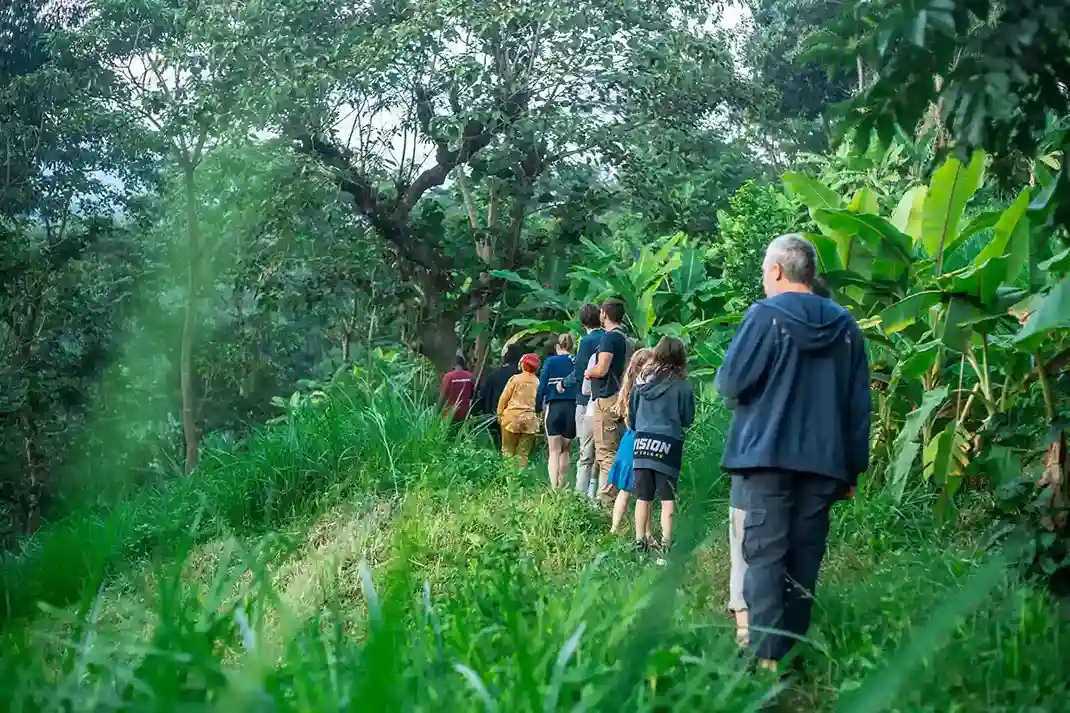
The Maasai are among the best-known peoples in East Africa, known for their cattle herding, bright red shukas and beadwork. A visit can show you how homes are built, how families care for cattle and how life is changing as schools, phones and climate pressures reach the plains. Some communities around Arusha, the Rift Valley and Ngorongoro welcome visitors.
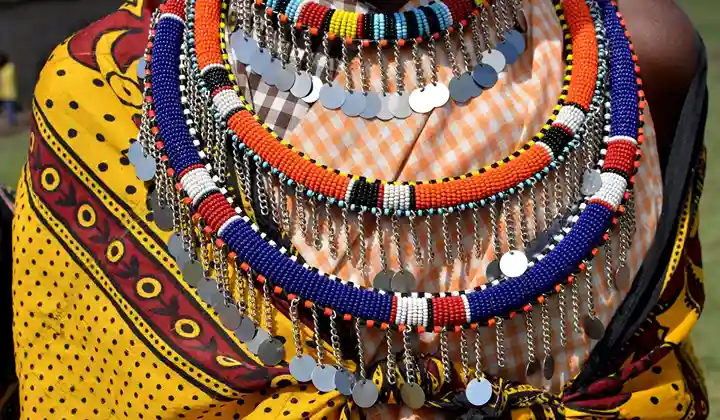
Quality varies a lot. The best visits leave time to talk through a guide, and some of the fee goes to the community. The less good ones feel like a performance followed by a hard sell. You may be invited to buy crafts, which is a fair way to support people, but do not feel pressured. Ask us what is included, and how the community benefits.
The Hadzabe are one of the last hunter-gatherer peoples in Africa, living in small groups around Lake Eyasi, south of the Ngorongoro highlands. A visit usually involves an early morning walk with Hadzabe hunters, followed by time learning about bows, fire-making and their click language. It is a remarkable experience, but also a delicate one, because this small community faces pressure on its land and way of life. From Arusha, the drive takes several hours each way, and from Moshi it is longer still. We recommend staying overnight near the lake, rather than making it a single day, and you should think carefully about whether it feels right for you.
A few simple questions can tell you a lot.
We try to work with visits where the fees are clear and people are treated with respect. If you visit somewhere that makes you uneasy, tell your guide, and tell us afterward. See our responsible tourism page.
Dress modestly, covering your shoulders and knees, and ask before you take any photo. Some people expect a small payment for photos, so check with your guide first. Do not give money or sweets to children, because it can encourage begging and keep them out of school. If you want to help, ask your guide about a local school or a community project. Learning a few words of Swahili goes a long way, such as "jambo" for hello and "asante" for thank you. For elders, "shikamoo" is a respectful greeting.
A walking tour of Moshi or a visit to its central market gives you a real sense of city life, at low cost. In Arusha, you can visit its museums and craft centers, as described in our Arusha day trips guide. A cooking class or a meal with a local family can be arranged, too. These can be easier to fit in around a climb or a safari. Tell us what interests you.
You do not need to set aside a full day. A Maasai visit can be added near Ngorongoro on a safari, and Olduvai Gorge adds a look at human origins. A Chagga village works well before or after your Kilimanjaro climb. Mto wa Mbu, near Lake Manyara, offers walks through a remarkably diverse town. Ask us to add one to your quote.
Tell us your date, your hotel and how many people are in your group, and we will reply with a written quote. Your trip is private, so you can choose your start time and change the plan with your guide on the day. We collect you from your hotel in Moshi. If you are staying in Arusha or elsewhere, tell us, because the drive time and price will change.
Our guides have worked on Tanzania tours for 7 years. They are graduates of the College of African Wildlife Management, Mweka, and the National College of Tourism, and they hold certification from those institutions. Tips are not included, and they are appreciated. Common guidance is about $15 to $25 per traveler per day for your guide.
Bring modest clothing, comfortable shoes, a hat, sunscreen, water and some small bills for crafts and tips. A small notebook can be useful for new Swahili words. See a travel clinic before your trip for malaria advice.
It is possible, although the best-known communities are closer to Arusha and Ngorongoro. Ask us what fits your dates.
Some are better than others. Ask how the visit is organized, and how the community benefits.
It is a very long day from Arusha, and longer from Moshi. We recommend an overnight stay.
Always ask first. Your guide can help, and a small payment is sometimes expected.
Choose modest clothing that covers your shoulders and knees.
Go with curiosity, take your time and ask questions. A slow morning with a Chagga family often means more than a rushed stop at a famous village. Tell us what you would like to learn, and we will suggest the right visit.
Tell us your date, hotel and interests, and we will send a written quote.