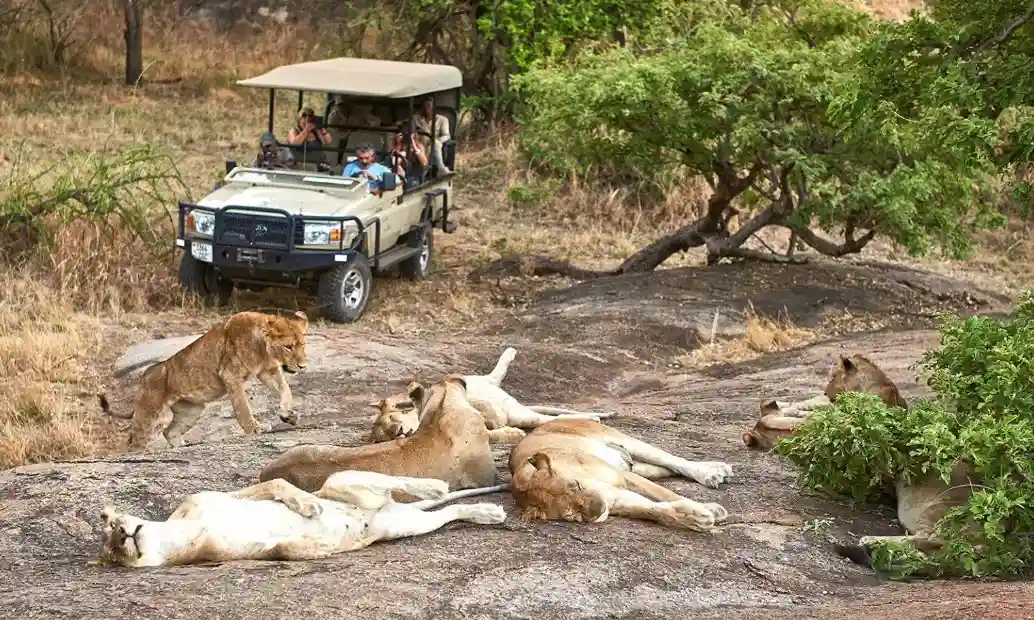
5-Day Northern Circuit Safari
From $3,040
View itinerary
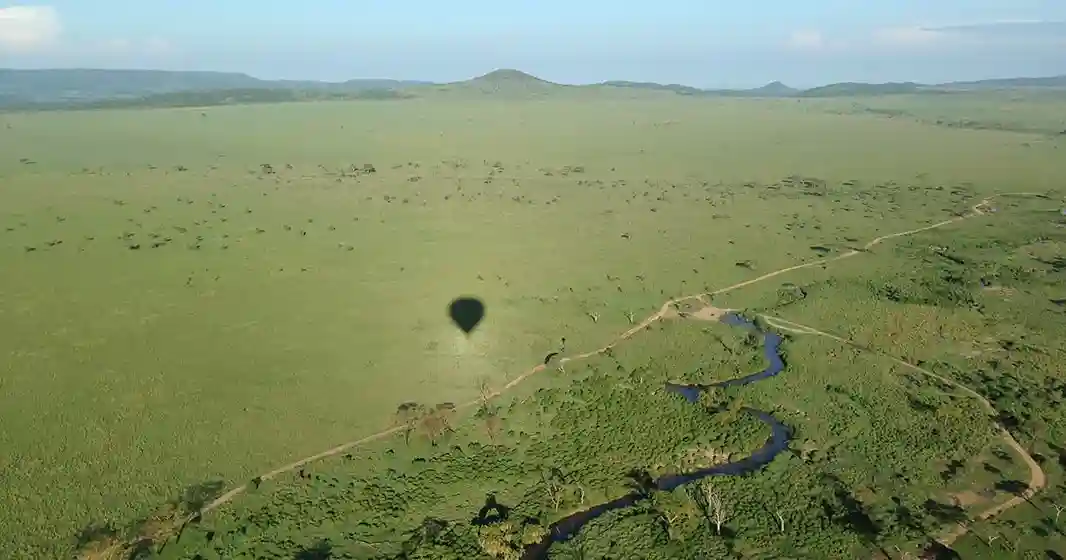
Tanzania's northern circuit is the classic African safari. In a single trip, you can walk through the elephant country of Tarangire, watch flamingos at Lake Manyara, follow big cats across the Serengeti and drop into Ngorongoro Crater. Few places on Earth offer so much variety, within reach by road.
The main question is how to fit it together. This guide explains the parks, the route and how long each trip takes, and it gives you an honest view of where the extra days make a difference.
The northern circuit is the route that links Tanzania's best-known parks. It usually starts in Arusha or Moshi, heads west through Tarangire and Lake Manyara, climbs over the Ngorongoro highlands and drops onto the Serengeti plains. Roads are good by safari standards, and most people travel by 4WD safari vehicle.
Big elephant herds and giant baobabs. Best from June to October, when the river draws in wildlife.
A compact park of forest, floodplain and soda lake below the Rift Valley wall.
Endless plains, big cats and the Great Migration. This is the reason most people come.
A vast volcanic crater with a resident population of big animals, including black rhino.
Prices are at mid-range level with two people sharing. Each trip can be changed to suit your dates and budget.
From $3,040
View itinerary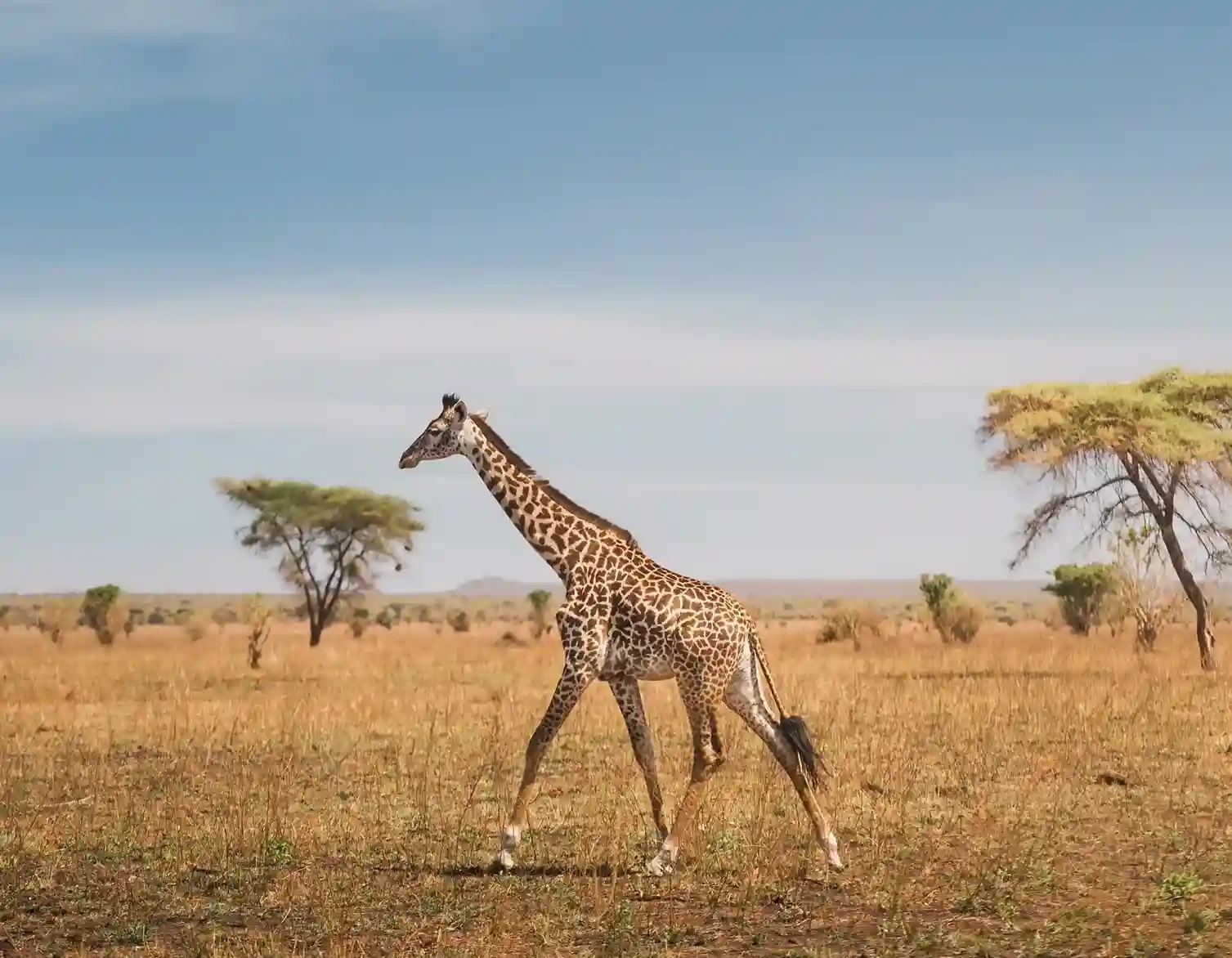
From $3,605
View itineraryFrom $4,230
View itinerary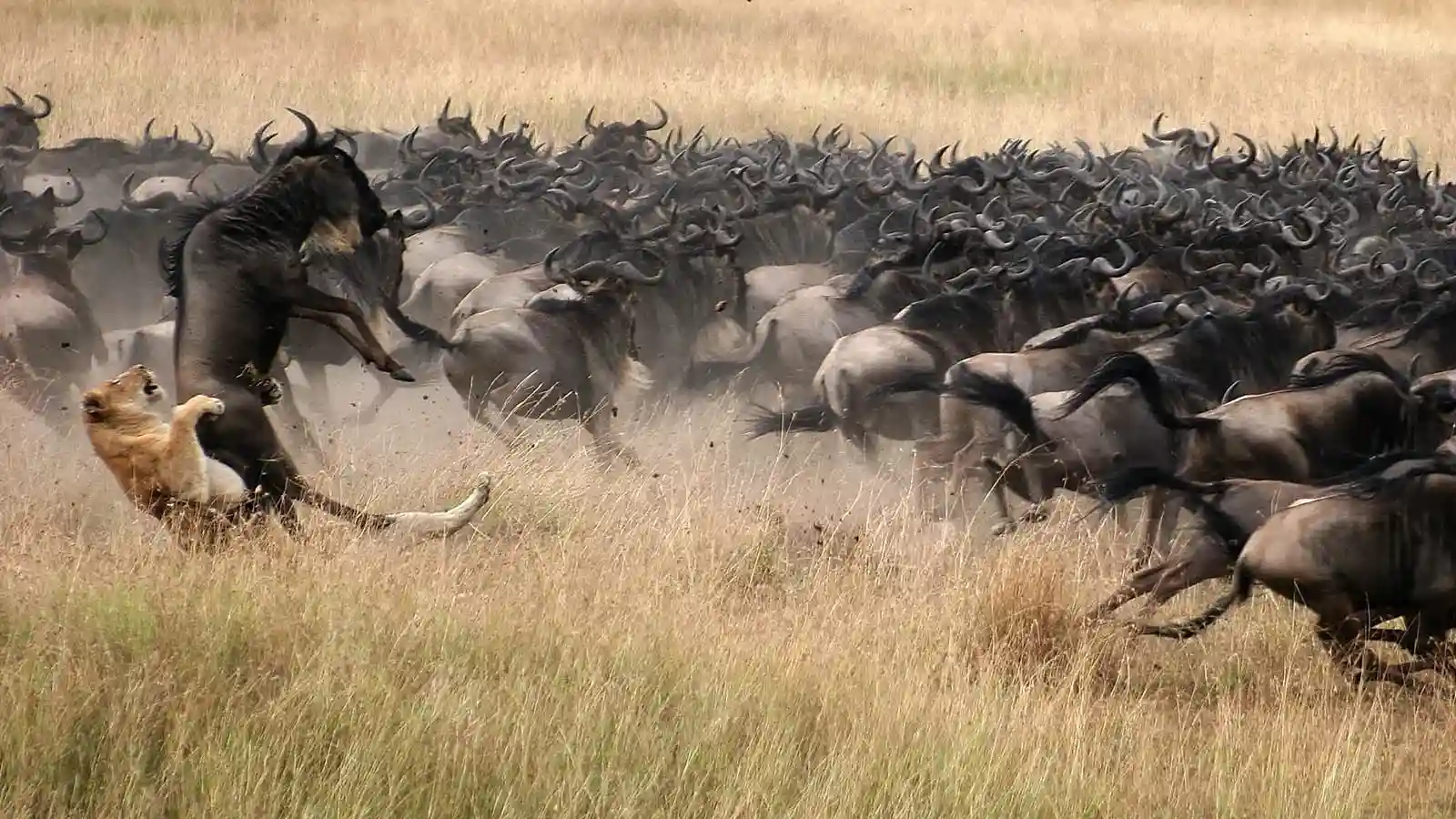
From $5,215
View itinerary
From $2,610
View itineraryFive days is the shortest trip that covers all four parks. It works, but you have just one full day in the Serengeti, and the last day is long. Six days adds a second Serengeti day, and that is where we feel the trip starts to breathe. Seven days adds a full day in Tarangire and is our recommendation if you have the time. Nine and ten days add the northern Serengeti.
Most trips run east to west: Tarangire first, then Manyara, then the Serengeti, then the crater on the way back. This order saves the biggest experiences for later, and it avoids driving the same road twice more than necessary. The return drive from the Serengeti passes the crater, so it fits neatly on the way home.
June to October is the most reliable time. Tarangire is at its best, the Serengeti's roads are dry, and the migration is usually in the north. January to March is a good time too, when the herds gather for calving in the south. The long rains in April and May make for quieter, greener parks with harder roads. See our best time guide.
Your driver-guide is with you from the first morning to the last drive, and much of what you see depends on them. Our guides have worked on Tanzania tours for 7 years. They are graduates of the College of African Wildlife Management, Mweka, and the National College of Tourism, and they hold certification from those institutions.
You travel in a private 4WD Land Cruiser with a pop-up roof, clear windows for wildlife viewing and comfortable seats. We run private safaris, so you choose your dates and share the vehicle only with your own group. If you are traveling alone and would like company to share the cost, ask us and we will check whether a suitable shared departure is available with a trusted partner company.
Pack neutral clothing, warm layers for early mornings, a hat, sunscreen and binoculars, using our safari packing list. See a travel clinic six to eight weeks before you leave. Malaria is a risk in the safari parks, so ask about tablets and bring repellent. Travel insurance is not included, and we strongly recommend a policy that covers medical care and evacuation. Our safari cost guide shows what to budget beyond the safari price.
If you have to choose, think about what you most want to see. For sheer drama and big cats, give your extra nights to the Serengeti. For elephants, add a night in Tarangire. Ngorongoro Crater needs only a single game drive, and Lake Manyara only an afternoon. That is why our longer trips add time in the Serengeti and Tarangire rather than visiting more places.
Also think about driving. The road from the crater to the Serengeti is slow and bumpy, so trips that try to go in and out of the Serengeti in a day or two spend a lot of time on it. Staying longer means less time on the road.
Arusha is the traditional starting point, and it is close to the park roads. Moshi is about an hour further east, and it has the advantage of sitting beneath Kilimanjaro, with an easy link to a climb. Our safaris start and finish in Moshi, and the difference in driving time is small. Tell us if you would rather start in Arusha, and we will adjust your plan.
Tanzania's southern parks, such as Nyerere and Ruaha, are quieter and wilder, and they are usually reached by small plane. The northern circuit has the famous names, the migration and easy access by road, so it suits most first-time visitors. If you have already been on safari in the north, or dislike crowds, the south is worth asking about. Our trips focus on the north, where our team is based.
One night each in Tarangire and at Lake Manyara, two in the central Serengeti, then the crater on the way home. See our 5-day safari.
The same route, with a third night in the Serengeti. See our 6-day safari.
Two nights in Tarangire, one at Lake Manyara and three in the Serengeti, then the crater. See our 7-day safari.
The route continues to the northern Serengeti, near the Mara River, with a night in Karatu before the crater. See our 9-day safari.
Be prepared for time in the vehicle. Paved roads run from Moshi and Arusha as far as the Ngorongoro highlands. After that, the road to the Serengeti is gravel and can be rough and dusty, with some stretches often called "African massage". Your guide will stop for photos and toilet breaks, and much of the drive passes through beautiful country, including Maasai land. Inside the parks, driving and wildlife viewing are one and the same, so the time rarely feels wasted.
The route stays the same at every budget. What changes is where you sleep. Budget trips tend to use simple lodging, often outside the parks. Mid-range trips use comfortable camps and lodges, and they are our standard. Luxury trips use the top camps. Many travelers mix levels, with one or two special nights. Your written quote will show exactly where you will stay.
It suits nearly every first-time safari traveler. You get famous parks, plenty of wildlife, good access and a range of lodging at every budget. It is less suited to people who want complete solitude, as the Seronera area and the crater can be busy in peak months, and to those who dislike long days in a vehicle. If that is you, choose a shorter route and stay longer in one place, or ask us about flying between parks.
Usually Tarangire, Lake Manyara, the Serengeti and Ngorongoro Crater.
Our 5-day trip starts from $3,040 per person, and our 7-day trip from $4,230, at mid-range level with two sharing.
Yes. It is the classic first safari, with big variety and good roads.
It is possible, but it would be rushed. We suggest choosing fewer parks on a shorter trip.
If you have a week, take the 7-day safari. If you have five days, take the 5-day. Either way, do not try to fit in more than your days allow. Send us your dates, and we will send a written quote.
Tell us your dates and group size, and we will send a written quote from Moshi.