5-Day Northern Circuit Safari
From $3,040
View itinerary
Lake Manyara is the smallest of the northern circuit parks, and it surprises many people. In a few hours, you can pass from a thick groundwater forest with baboons and blue monkeys to open floodplains, hippo pools and a soda lake below the towering wall of the Rift Valley.
It is not the place for huge herds or endless plains, and it is honest to say so. This guide explains what Lake Manyara does best, who should include it and how to fit it into your trip.
Variety and convenience are the main reasons. It sits on the road between Tarangire and the Serengeti, so it is an easy stop that breaks up the drive. Few parks offer so much change of scene in so small an area, and it is particularly rewarding for bird lovers.
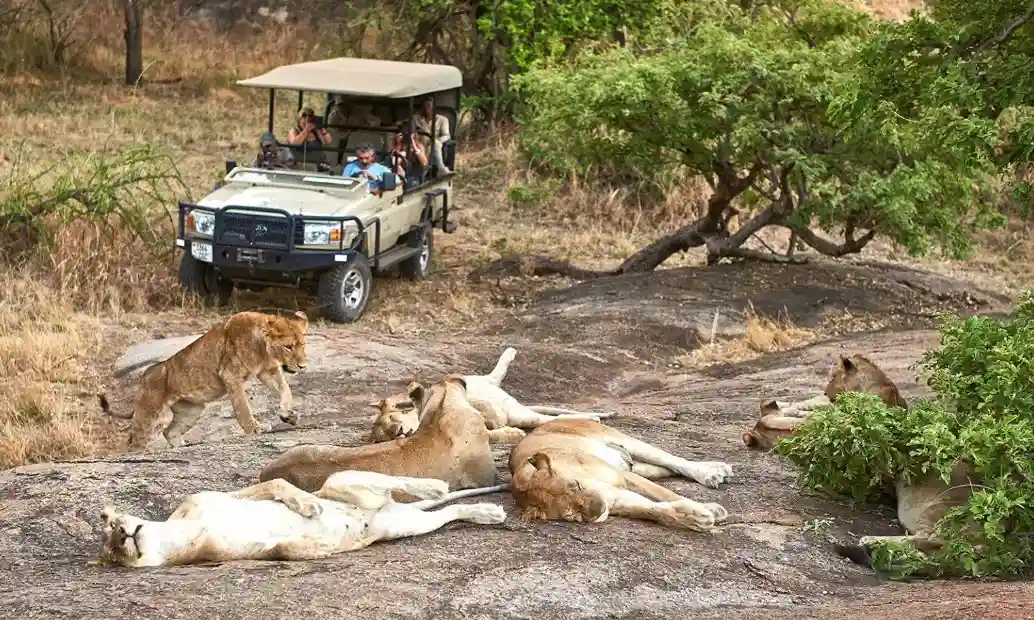
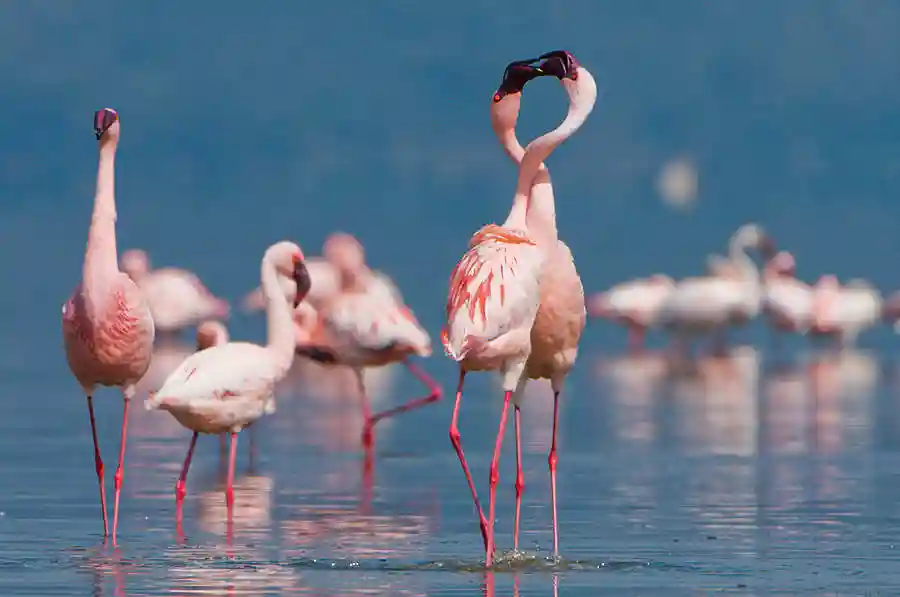
Expect baboons, blue monkeys, elephants, giraffes, zebras, hippos and buffalo. Flamingos and pelicans gather on the lake when water levels suit them, although their numbers vary a lot. The park is known for tree-climbing lions, but they are seen only occasionally, so treat them as a bonus.
Prices are at mid-range level with two people sharing. Each trip can be changed to suit your dates and budget.
From $3,040
View itinerary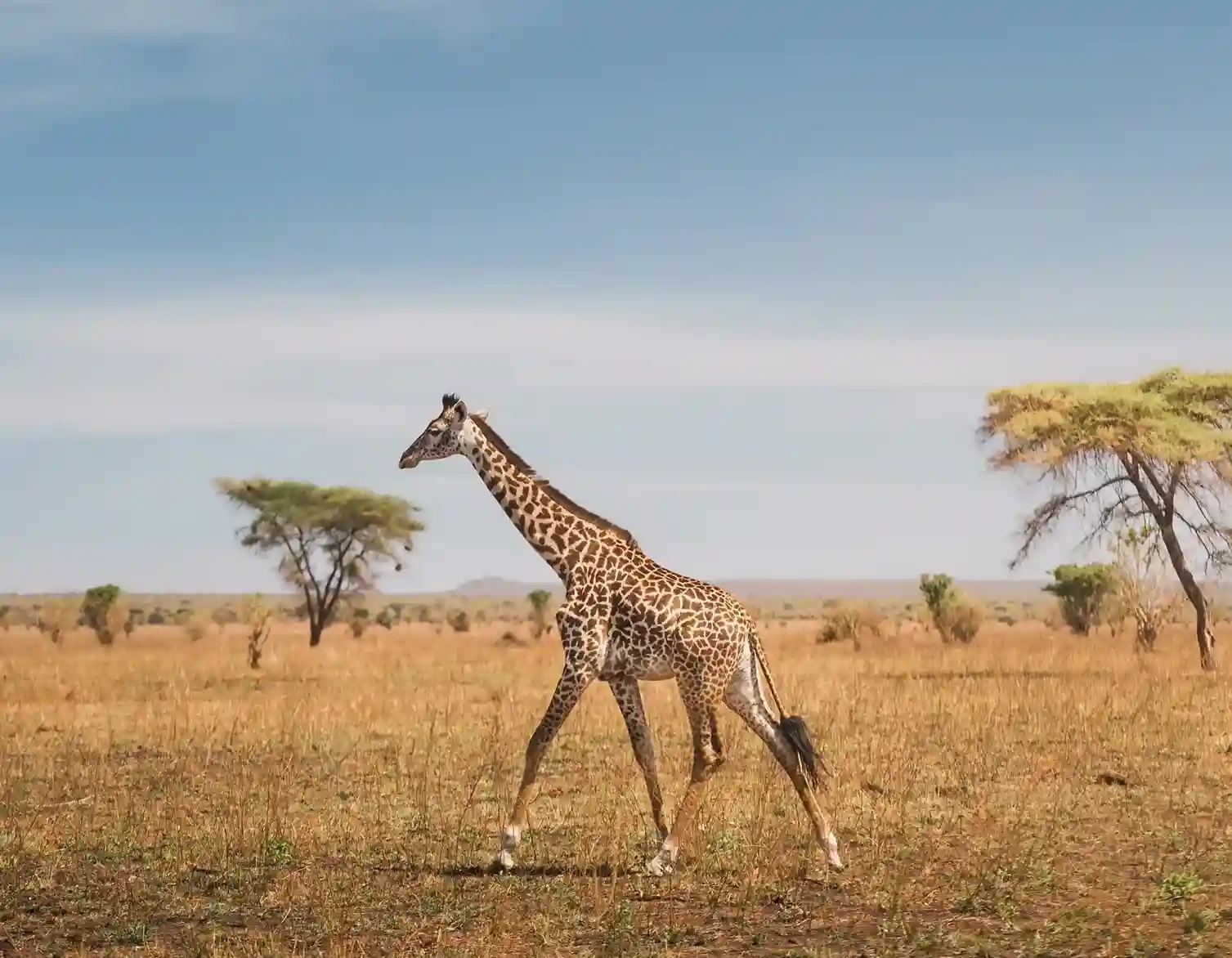
From $3,605
View itinerary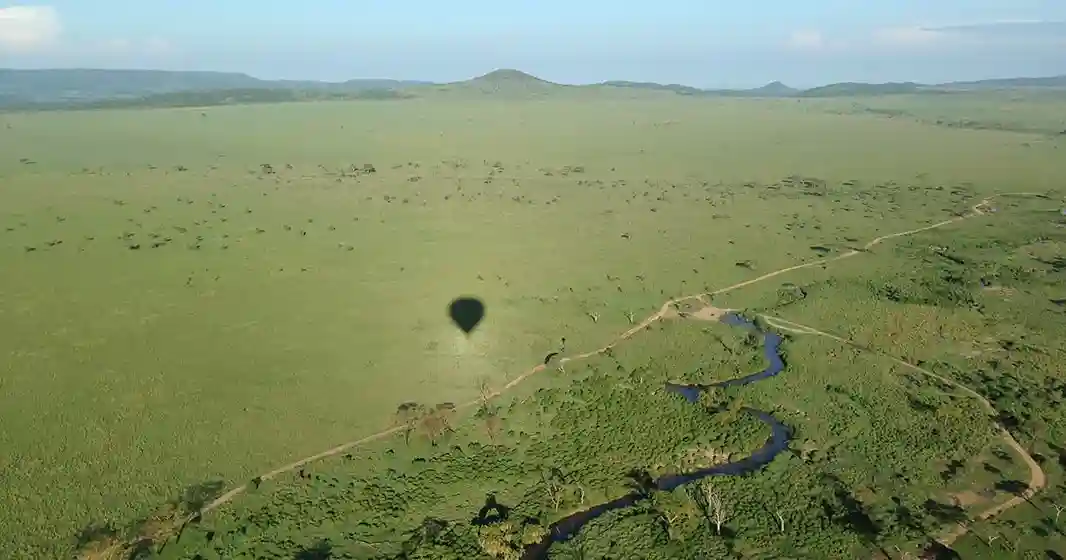
From $4,230
View itinerary
From $5,215
View itineraryIf you have five days or more, yes. If you have less, we would usually give the time to Tarangire, the Serengeti or the crater instead. That is why our shorter trips leave it out, and our 5-day and longer trips include it.
June to October suits large mammals, with dry roads and easier viewing. November to June is better for birds, including migratory species. In the rainiest months, some tracks may close. Check our best time guide.
Your driver-guide is with you from the first morning to the last drive, and much of what you see depends on them. Our guides have worked on Tanzania tours for 7 years. They are graduates of the College of African Wildlife Management, Mweka, and the National College of Tourism, and they hold certification from those institutions.
You travel in a private 4WD Land Cruiser with a pop-up roof, clear windows for wildlife viewing and comfortable seats. We run private safaris, so you choose your dates and share the vehicle only with your own group. If you are traveling alone and would like company to share the cost, ask us and we will check whether a suitable shared departure is available with a trusted partner company.
Pack neutral clothing, warm layers for early mornings, a hat, sunscreen and binoculars, using our safari packing list. See a travel clinic six to eight weeks before you leave. Malaria is a risk in the safari parks, so ask about tablets and bring repellent. Travel insurance is not included, and we strongly recommend a policy that covers medical care and evacuation. Our safari cost guide shows what to budget beyond the safari price.
Most visits last for an afternoon or a morning. You enter through thick groundwater forest, where baboons often sit in the road and blue monkeys move through the trees. The track then opens onto floodplains with buffalo and zebra, and it leads on to hippo pools near the lake. Your guide will scan the acacia trees for lions and look out for elephants in the forest. Few parks offer so much variety in so short a time.
Bird lovers will find a lot to enjoy, with over 400 species recorded. Pelicans, storks and hornbills are common, and flamingos may gather on the lake when water levels are right. From November to April, migratory species increase the variety. Bring binoculars, and tell your guide if birds are a priority for you.
The park sits at the foot of the Rift Valley wall, right on the road between Tarangire and Ngorongoro. A stop here breaks up the journey to the Serengeti, and it adds a very different scene. Our 5-day, 6-day and 7-day safaris all include it. See our northern circuit guide.
Many camps and lodges are in or near Mto wa Mbu, and some sit on the escarpment above the park, with wide views over the lake. Staying nearby makes for an easy morning start to the Serengeti. We will suggest options that suit your budget. The town itself has a colorful market and cultural walks, if you have time.
Lake Manyara is the smallest of the four, and it has fewer large animals than the Serengeti or the crater. Its strengths are variety, birds and scenery. If you want big herds, give more time to Tarangire or the Serengeti. If you enjoy changing landscapes and quieter moments, this park will be a pleasant surprise.
The forest near the gate surprises many people, because it looks more like a jungle than a safari park. Springs that flow from the Rift Valley wall feed huge fig and mahogany trees, and troops of baboons, some of them very large, walk along the road. Blue monkeys feed in the branches, and elephants sometimes move quietly between the trees. It is a good place to slow down, switch off the engine and listen.
The hippo pool in the north of the park is a highlight on most visits, and you can often watch dozens of hippos at close range, along with storks, herons and other water birds. Beyond it, the floodplain opens up to the lake, where wildebeest, zebra and giraffe graze with the escarpment behind them. In the late afternoon, the light on the cliffs can be beautiful. Lake levels vary greatly from year to year, and that changes what you see.
Probably not on their own. They are famous, but they are not always easy to find, and many visitors leave without seeing a lion up a tree. Lion numbers here also vary. Come for the variety and the birds, and treat a lion in a tree as a very lucky bonus. If lions are your main goal, the Serengeti or the Ngorongoro Crater offer far better chances.
It suits bird lovers, first-time visitors on a longer trip, and families who want an easy afternoon drive between longer journeys. It also makes a pleasant stop if you are tired after a long flight. It is less important if you have only two or three days, or if you are mainly after big cats. In that case, our shorter trips skip it for good reason.
Most travelers leave Tarangire after a morning drive and reach Lake Manyara in about an hour and a half. An afternoon game drive of three to four hours is enough to see the forest, the floodplain and the hippo pool. You sleep nearby, then climb the escarpment the next morning, with a stop to look back over the lake on your way to the Serengeti.
Yes. Distances within the park are short, baboons and monkeys are entertaining for children, and an afternoon drive is about the right length. The nearby town of Mto wa Mbu offers cultural walks and a look at daily life. It can be a gentle way to begin a family safari. See our family safari guide.
Yes, on a trip of five days or more, especially for birds and for variety.
Perhaps, but they are seen only occasionally. Do not choose the park for them alone.
An afternoon or a morning game drive is enough for most people.
No. Numbers vary with the water levels.
Our 5-day trip with all four parks starts from $3,040 per person at mid-range level, with two sharing.
If you have five days or more, include it. It adds variety to the trip, and it sits right on the way. Send us your dates, and we will build it in.
Tell us your dates and group size, and we will send a written quote from Moshi.