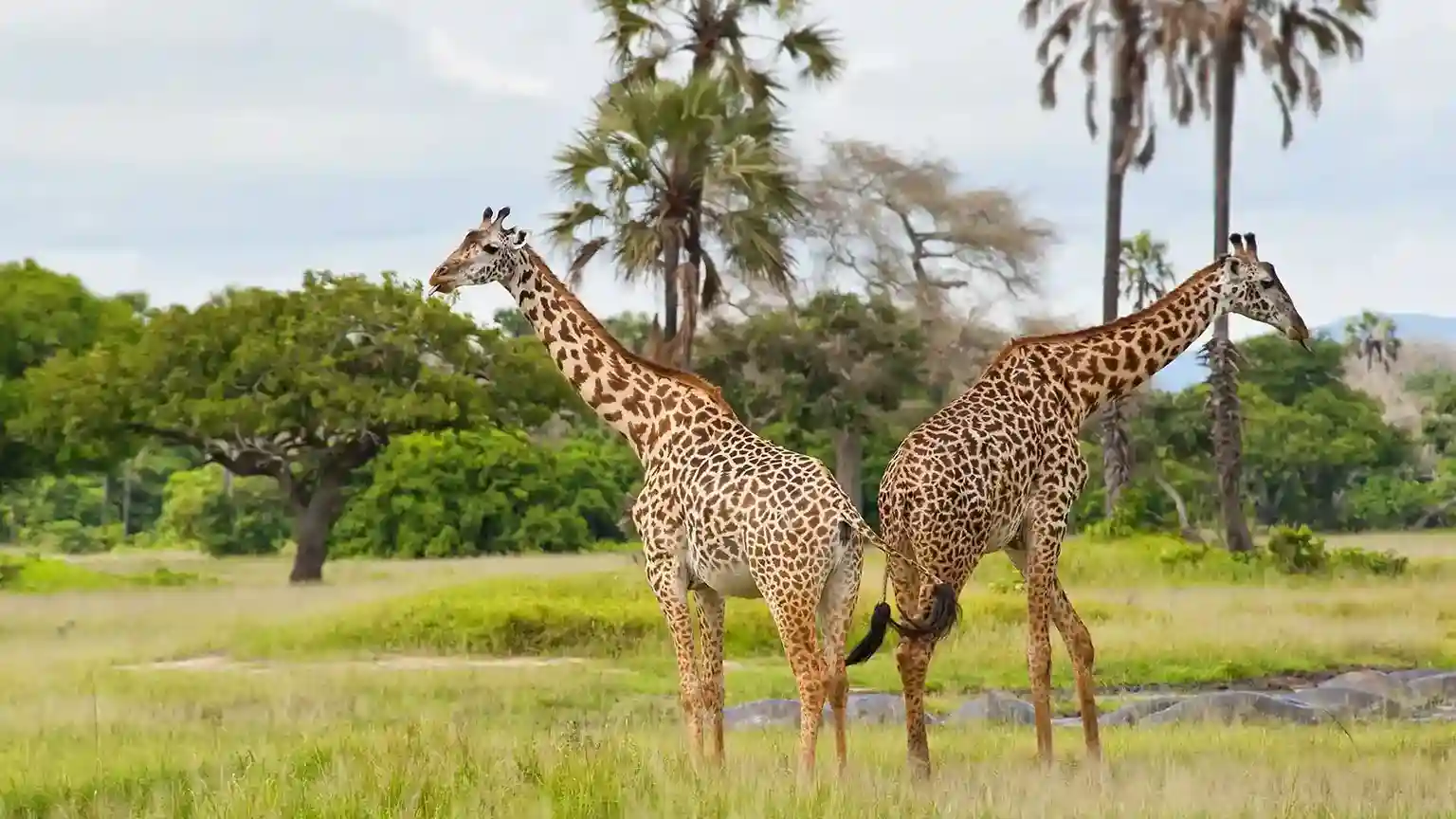
4-Day Tarangire, Serengeti and Ngorongoro Safari
From $2,610
View itinerary
The Serengeti is the place most people picture when they think of Africa: golden grass to the horizon, lions on rock outcrops, and over a million wildebeest on the move. It is also huge, almost 15,000 square kilometers (5,700 square miles), and that means where you go in the park matters as much as when you go.
This guide explains the park's different areas, how the migration moves through the year, how many days you need, and which of our trips will take you there.
Three things set it apart: the sheer space, the number of predators and the migration. Even in a quiet month, the central Serengeti has plenty of lions, leopards and cheetahs. The park's scale also means you can often find a sighting with few other vehicles, once you get away from the main routes.
Good wildlife all year, especially big cats. It is the easiest area to reach, and also the busiest.
Calving takes place here from around January to March, drawing many predators.
Herds usually pass through around June and July, and they cross the Grumeti River.
Famous for Mara River crossings, usually from around July to October.
Prices are at mid-range level with two people sharing. Each trip can be changed to suit your dates and budget.
From $2,610
View itinerary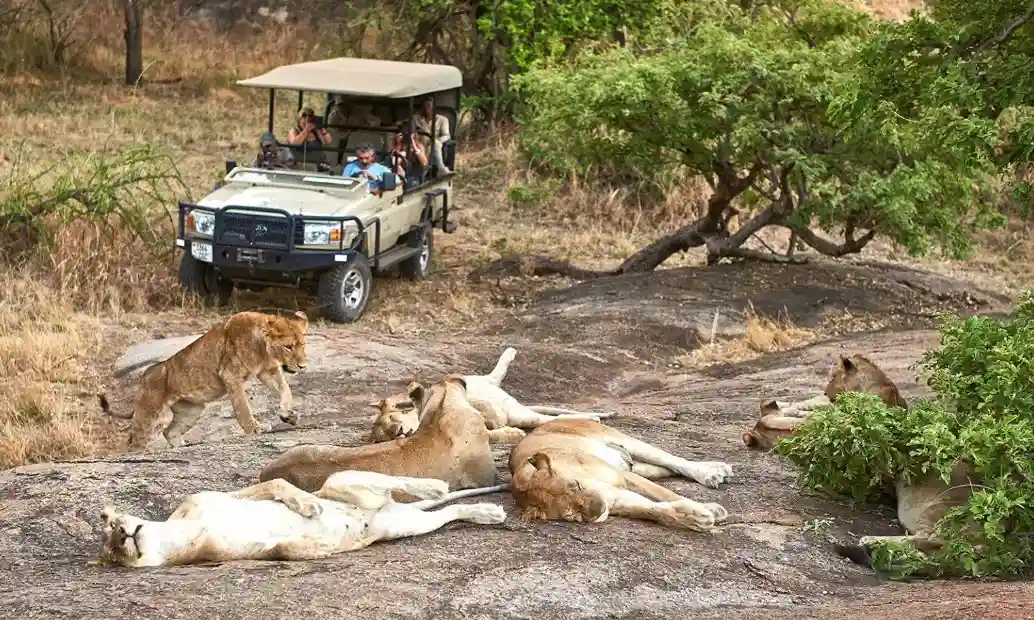
From $3,040
View itinerary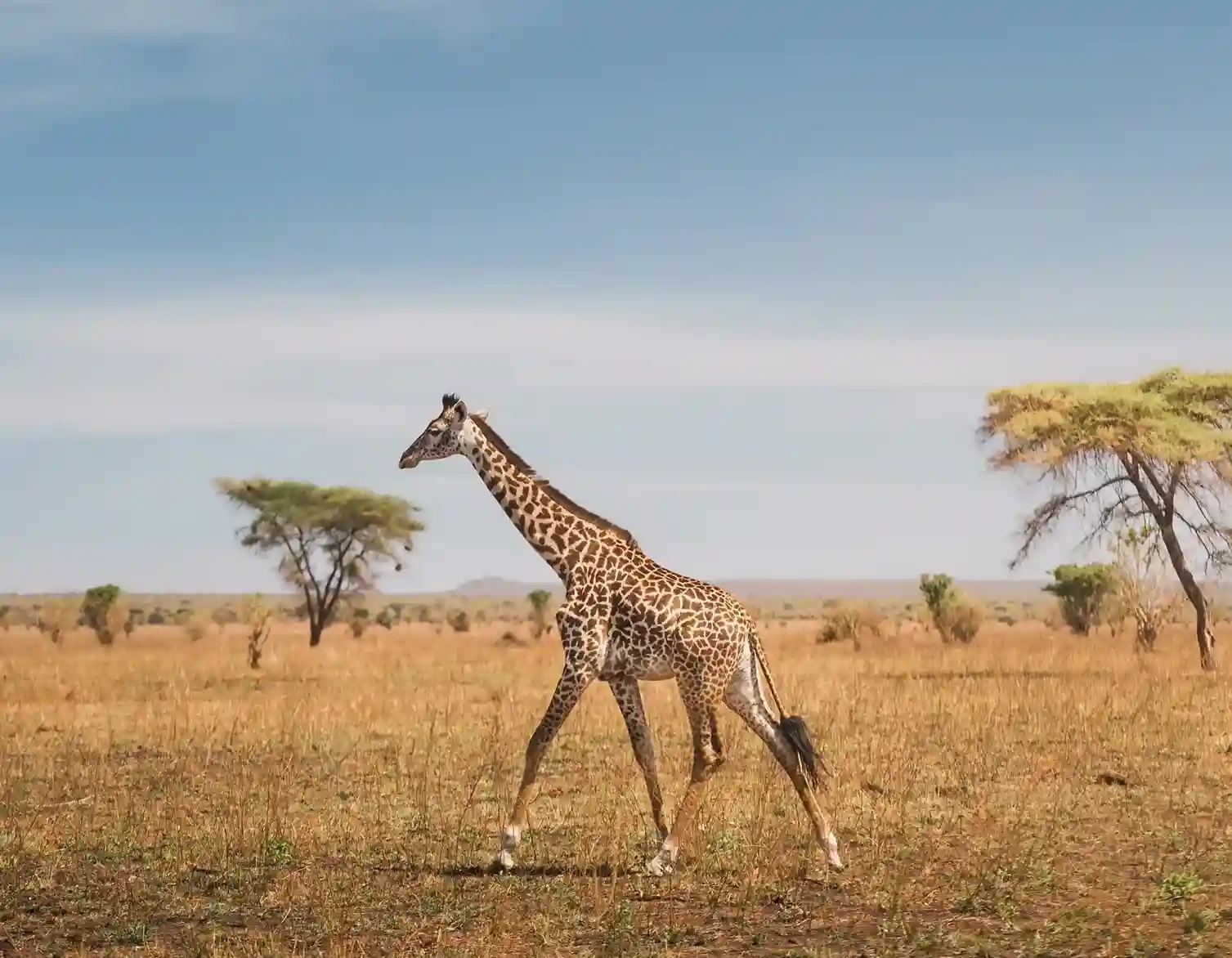
From $3,605
View itinerary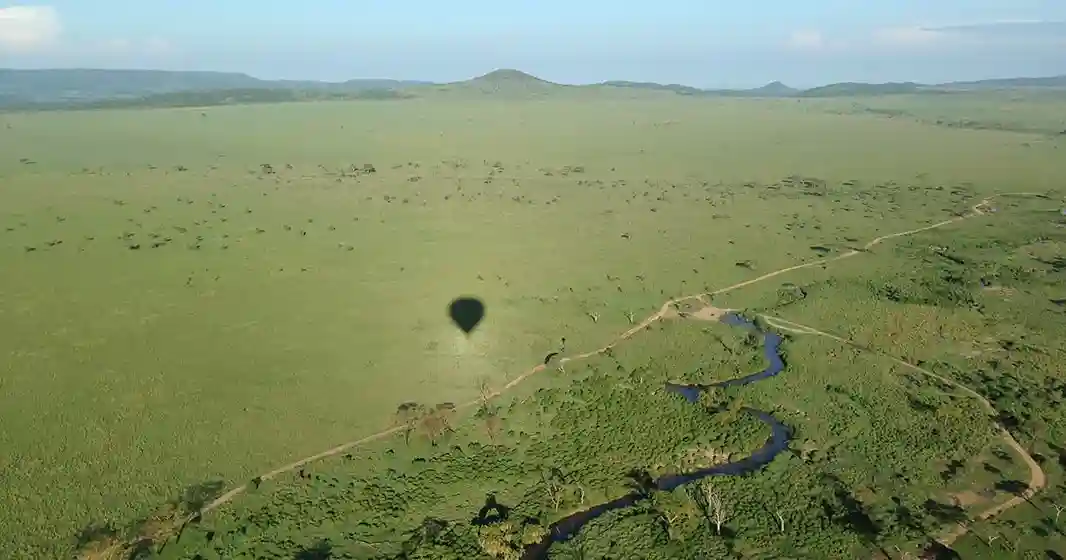
From $4,230
View itinerary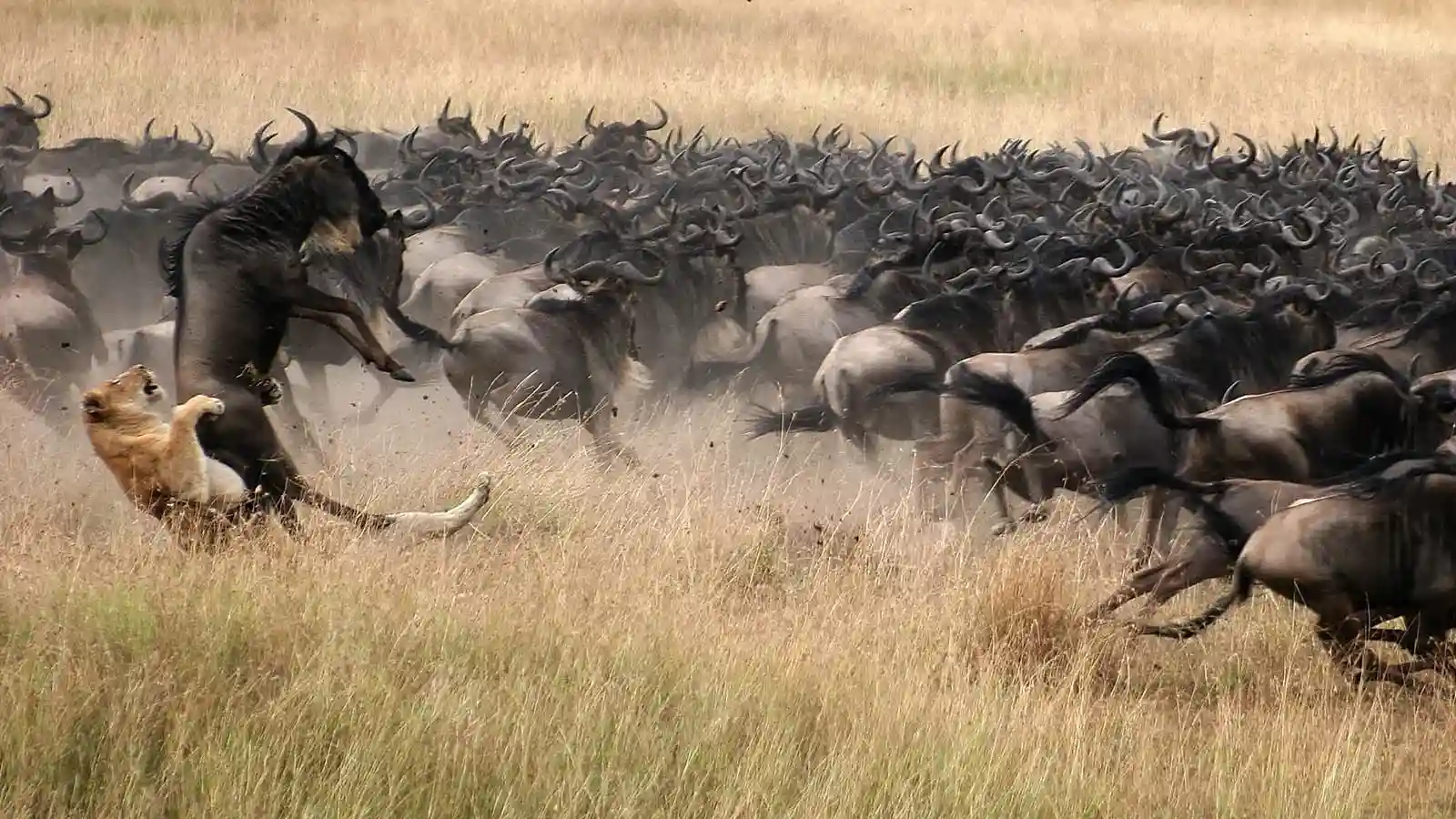
From $5,215
View itinerary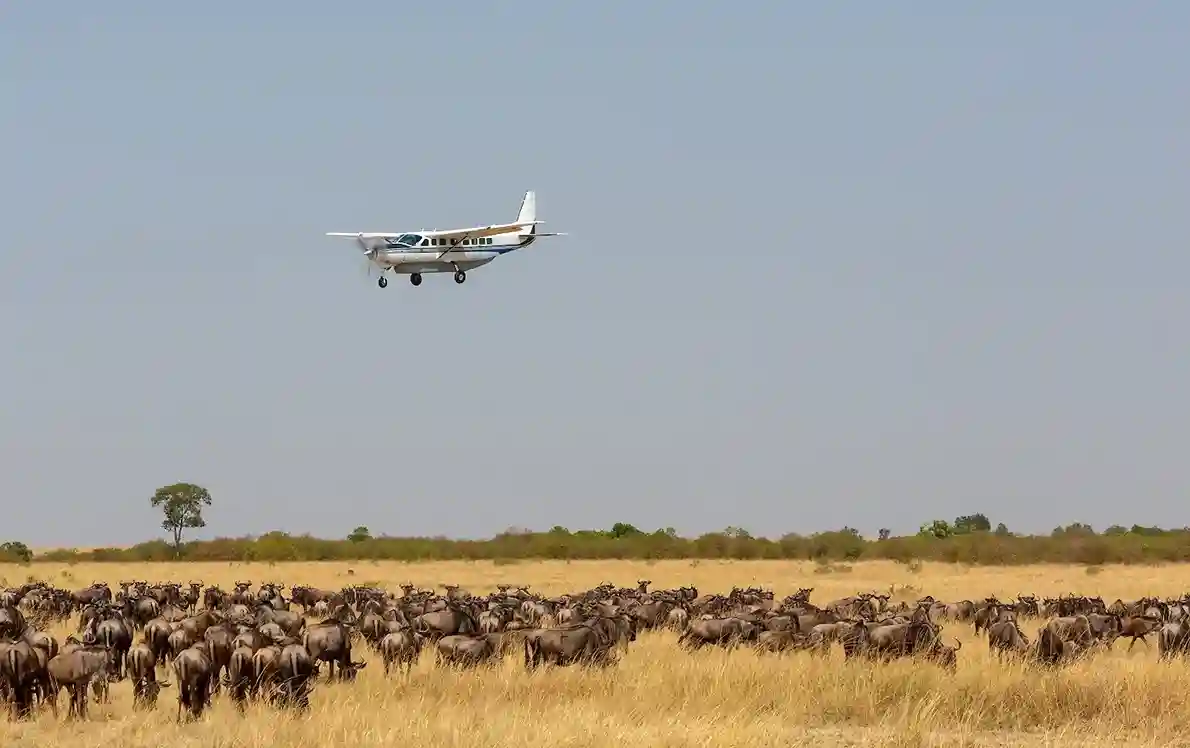
From $5,620
View itinerary| When | Where the herds usually are | What happens |
|---|---|---|
| January to March | Southern plains and Ndutu | Calving, with heavy predator activity |
| April to May | Moving north and west | Rainy months, and the herds are on the move |
| June to July | Western Corridor | Grumeti River crossings |
| July to October | Northern Serengeti | Mara River crossings |
| November to December | Moving south | Herds return with the short rains |
These are typical patterns rather than promises. The herds follow rain and grass, and they can arrive weeks earlier or later than expected. Your guide will use the latest reports to find them.
Two nights is a good minimum. One night gives you only a brief visit after a long drive. Three nights gives your guide time to look further, and to follow the wildlife. If the Mara River is your goal, add two more nights in the north, as on our 9-day safari.
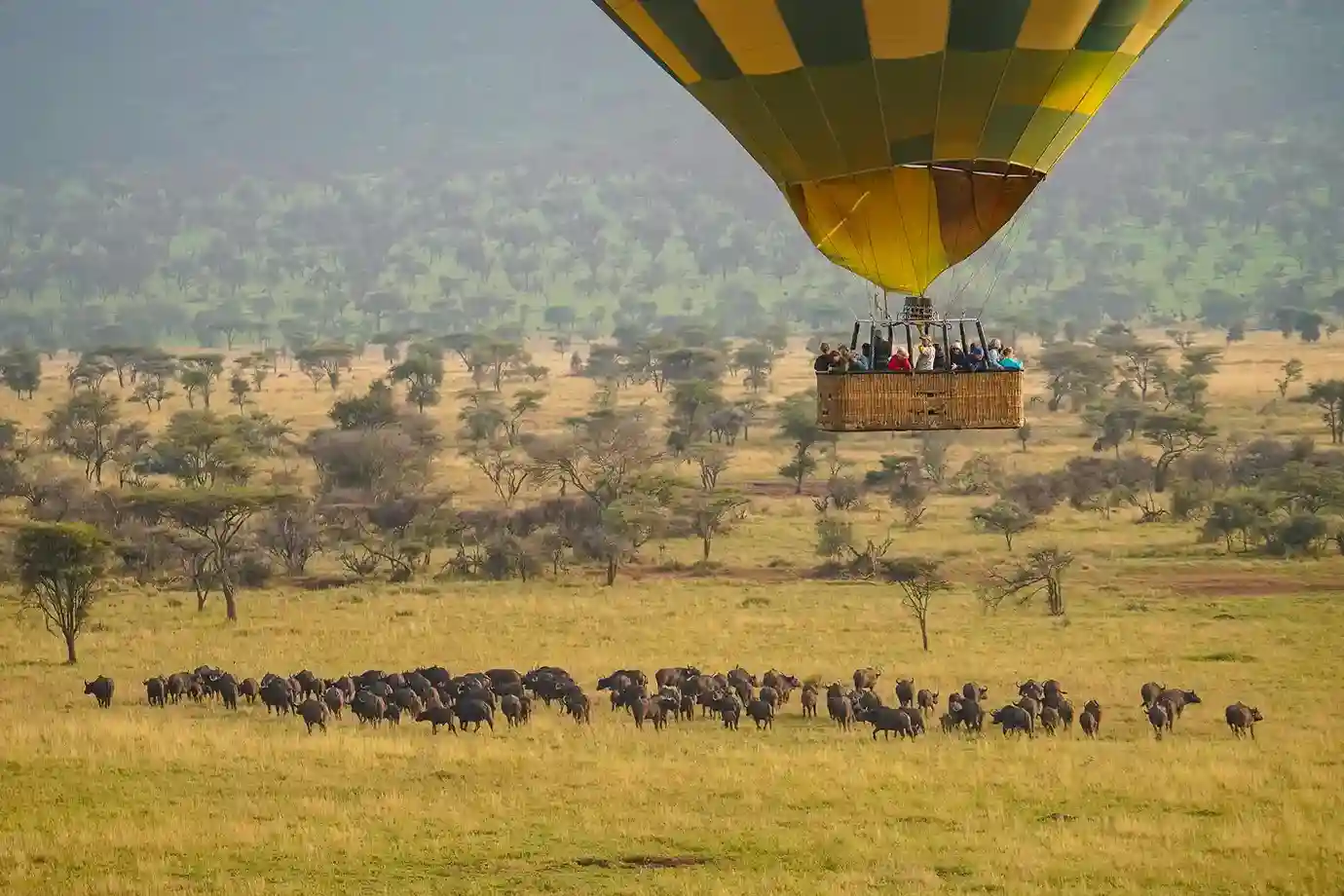
A dawn balloon flight is an unforgettable way to see the plains, although it is a real extra cost. It is usually followed by a bush breakfast. Ask us for the current price, and we can add it to your quote.
Your driver-guide is with you from the first morning to the last drive, and much of what you see depends on them. Our guides have worked on Tanzania tours for 7 years. They are graduates of the College of African Wildlife Management, Mweka, and the National College of Tourism, and they hold certification from those institutions.
You travel in a private 4WD Land Cruiser with a pop-up roof, clear windows for wildlife viewing and comfortable seats. We run private safaris, so you choose your dates and share the vehicle only with your own group. If you are traveling alone and would like company to share the cost, ask us and we will check whether a suitable shared departure is available with a trusted partner company.
Pack neutral clothing, warm layers for early mornings, a hat, sunscreen and binoculars, using our safari packing list. See a travel clinic six to eight weeks before you leave. Malaria is a risk in the safari parks, so ask about tablets and bring repellent. Travel insurance is not included, and we strongly recommend a policy that covers medical care and evacuation. Our safari cost guide shows what to budget beyond the safari price.
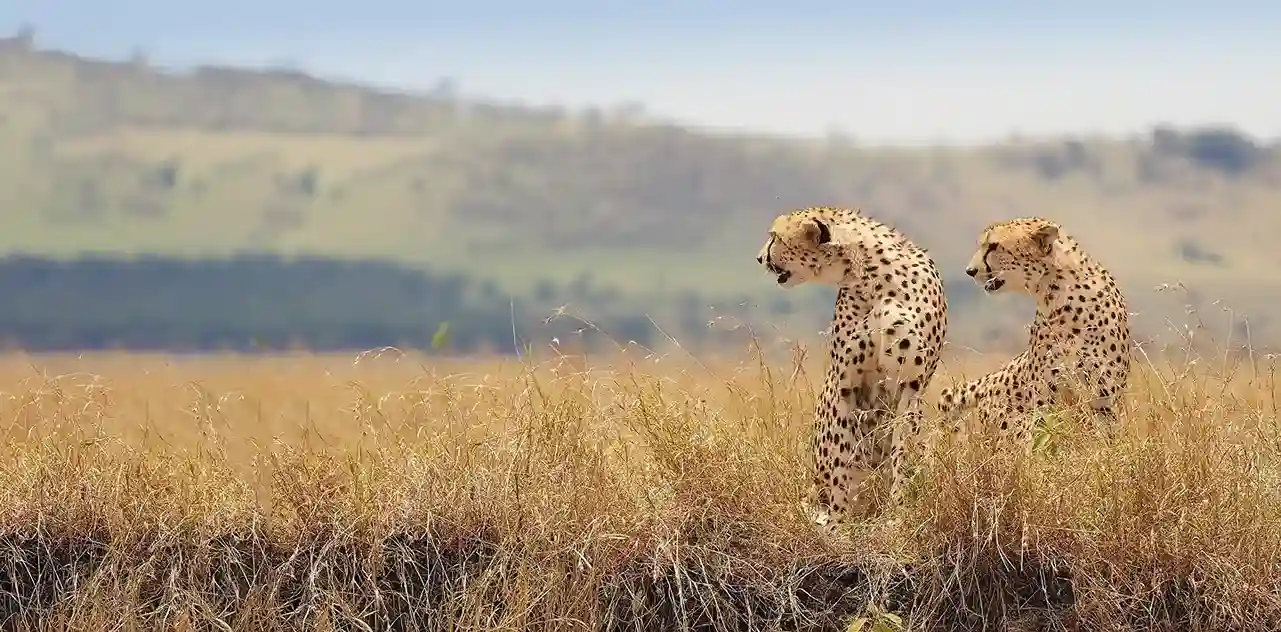
The Serengeti is one of the best places in Africa for big cats. Lions are often seen on the kopjes of the central plains, leopards rest in sausage trees along the Seronera River, and cheetahs hunt on the open grassland. You can also expect elephant, buffalo, giraffe, hippo, hyena and countless antelope. Black rhino live here in small numbers but are very hard to see, so for rhino, Ngorongoro Crater is a better bet.
Nobody can promise a sighting, and that is part of the appeal. A good guide knows where to look, and when to wait.
Your choice of area should follow the season. From January to March, stay in the south or near Ndutu. From June to July, consider the Western Corridor, and from July to October, the north. The central Seronera area works all year. Staying inside the park saves you hours compared with driving in each day. We will suggest options for your dates in your written quote.
Most travelers drive, and the journey is a highlight in itself. You cross the Ngorongoro highlands with a view into the crater, drop to the plains and enter the park at Naabi Hill. It takes most of a day from Moshi, which is why our trips usually stop at Tarangire or Lake Manyara on the way. Small planes from Arusha can reach the park's airstrips in about an hour, at extra cost.
Head for the southern plains and Ndutu, where wildebeest give birth and predators follow them. Ask about a route that goes south.
The long rains make some roads difficult, but the park is green and quiet. Stay in the central area.
The herds are often in the Western Corridor, and they begin to move north. The central Serengeti is also excellent for cats.
The migration is usually in the north, near the Mara River. Our 9-day safari goes there.
The short rains bring the herds back south through the eastern and central areas. Fewer vehicles and green landscapes make this a good value time.
A river crossing is one of the most dramatic things you can see in nature, with thousands of wildebeest plunging into the water as crocodiles wait. It is also unpredictable. The herds can gather on the bank for hours and then turn back. Some travelers see several crossings in a day, and others see none in a week. If this is your main goal, allow at least two or three nights in the north from about August to September, bring patience, and accept that nobody can promise you one.
Start early, because the first two hours of light are the most beautiful, and predators are most active. A zoom lens of about 100 to 400 mm is very useful, and a bean bag helps to steady it on the vehicle. Dust is a constant problem in the dry months, so keep your gear covered between sightings. Ask your guide to turn off the engine when you take photos, because vibration can blur your shots.
The Serengeti adds cost because of its higher park fees, concession fees for nights inside the park and the long drive to reach it. That is why a trip with the Serengeti costs noticeably more than one with only Tarangire and the crater. Our 4-day trip starts from $2,610 per person, and our 7-day trip from $4,230, at mid-range level with two sharing. See our safari cost guide.
Two to three nights is ideal for most people.
June to October for dry-season game viewing and the northern migration, or January to March for calving.
Yes. It is a long day by road, so we usually stop at another park first.
It depends on the month and the location. Tell us your dates, and we will suggest the best area.
Our 4-day trip starts from $2,610 per person at mid-range level, with two sharing.
Choose your month first, then the part of the park, then the number of nights. Send us your dates, and we will suggest the best route for that time of year.
Tell us your dates and group size, and we will send a written quote from Moshi.