2-Day Tarangire and Ngorongoro Safari
From $1,295
View itinerary
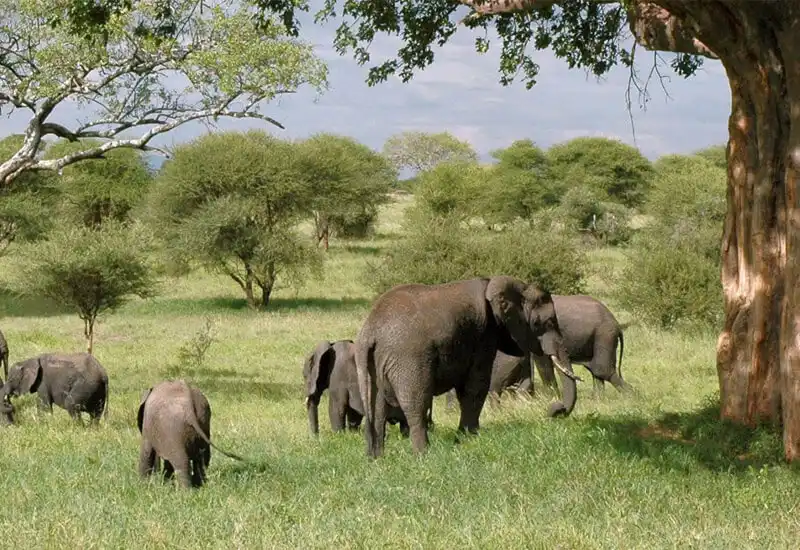
Tarangire is the park many travelers did not know about until they arrived, and it often becomes the one they talk about most. In the dry season, it holds some of the largest elephant herds in Tanzania, moving between huge old baobabs and along the river. It is also close to Moshi, so it fits easily into almost any trip.
This guide explains what makes Tarangire special, when to go and how to include it on your safari.
Elephants are the main reason. In the dry months, the Tarangire River is the only reliable water for a large area, so animals come from far around. Baobabs give the park a look like nowhere else in the northern circuit. It also has excellent birdlife, with over 500 species recorded, and it is often quieter than the Serengeti or the crater.
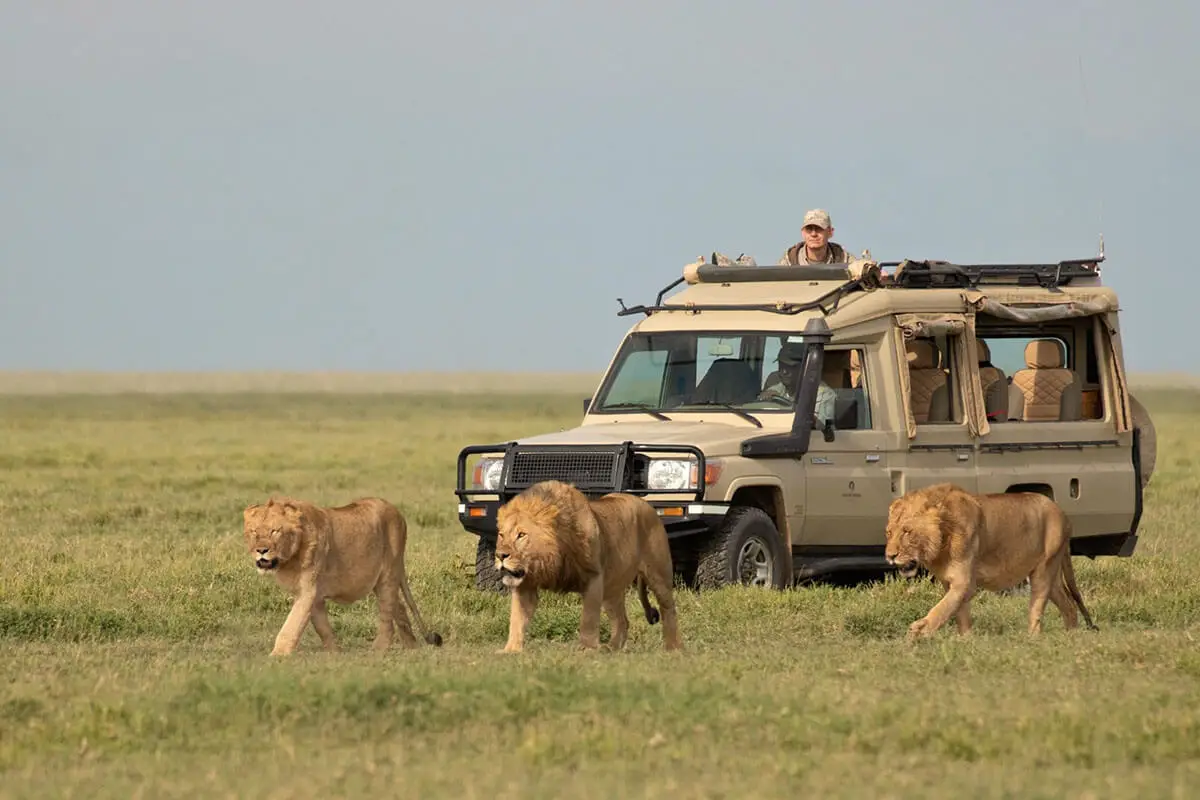
Besides elephants, you can expect giraffe, zebra, wildebeest, impala and buffalo, as well as lion. Leopard and cheetah are possible but less common. Birds range from huge kori bustards to colorful lovebirds. The south of the park, around the swamps, is quieter, and it rewards anyone with an extra day.
Prices are at mid-range level with two people sharing. Each trip can be changed to suit your dates and budget.
From $1,295
View itineraryFrom $1,920
View itinerary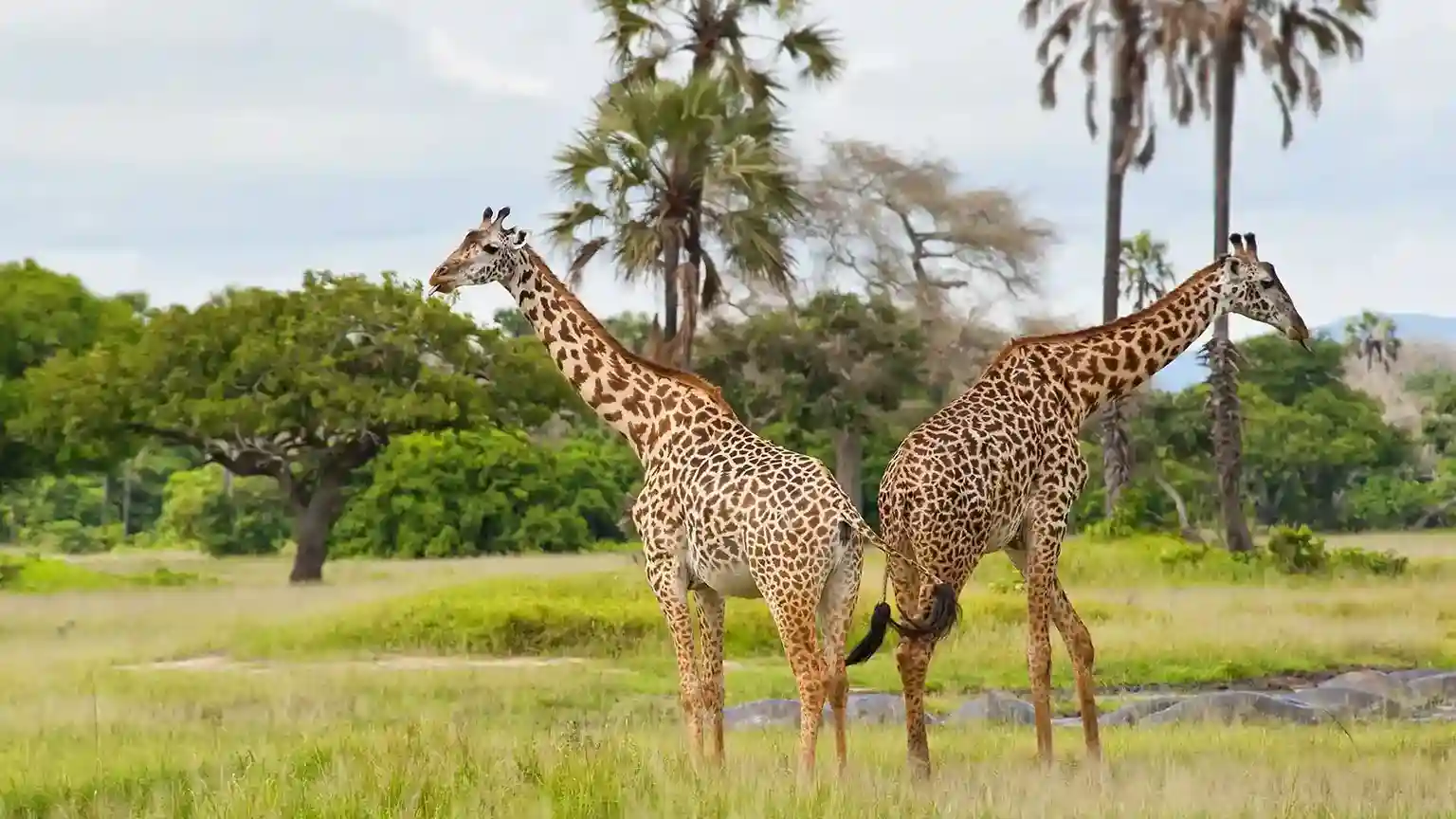
From $2,610
View itinerary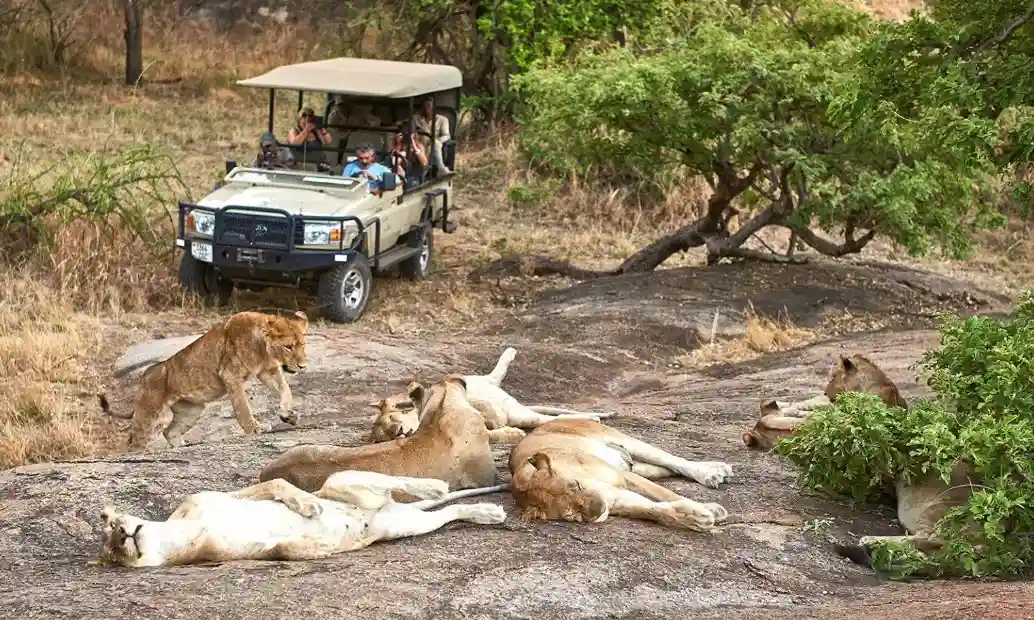
From $3,040
View itinerary
From $4,230
View itineraryJune to October is best, especially from August on, when water elsewhere has dried up. In the wet season, animals spread out, and some of the park's roads get difficult. It is still beautiful then, and very green, with good birding, but elephant numbers near the river are lower.
One night is enough to enjoy the river section, as on our shorter trips. Two nights let you explore the quieter south and take your time, as on our 3-day and 7-day safaris.
Your driver-guide is with you from the first morning to the last drive, and much of what you see depends on them. Our guides have worked on Tanzania tours for 7 years. They are graduates of the College of African Wildlife Management, Mweka, and the National College of Tourism, and they hold certification from those institutions.
You travel in a private 4WD Land Cruiser with a pop-up roof, clear windows for wildlife viewing and comfortable seats. We run private safaris, so you choose your dates and share the vehicle only with your own group. If you are traveling alone and would like company to share the cost, ask us and we will check whether a suitable shared departure is available with a trusted partner company.
Pack neutral clothing, warm layers for early mornings, a hat, sunscreen and binoculars, using our safari packing list. See a travel clinic six to eight weeks before you leave. Malaria is a risk in the safari parks, so ask about tablets and bring repellent. Travel insurance is not included, and we strongly recommend a policy that covers medical care and evacuation. Our safari cost guide shows what to budget beyond the safari price.
Most people arrive from Moshi around lunchtime and head straight for the river, where elephants come to drink through the afternoon. If you stay overnight, an early drive the next morning gives you the best chance of seeing lions and leopards. With a second day, you can head south to the Silale Swamp, where few vehicles go. Your guide will also point out the park's huge baobab trees, and they are especially beautiful at sunset.
With over 500 species recorded, this park is a joy for bird lovers. Look for yellow-collared lovebirds, ostriches, kori bustards, and many eagles and vultures. From November to April, migratory birds arrive from Europe and Asia. If birds are a priority, tell us when you book, so that your guide knows what you are hoping to see.
They offer very different things. Tarangire is closer, smaller, known for its elephants, and often quieter. The Serengeti is much larger, with big cats and the migration, but it takes longer to reach. If you have only two or three days, Tarangire is the more practical choice. If you have four or more, you can see both. Our 4-day safari does exactly that.
Lodges and tented camps sit both inside the park and just outside its gates. Staying inside means being among the animals at first light, while staying outside can cost less. Some camps have superb views over the river or the swamps. We will suggest options that suit your level in your written quote.
Tarangire sits at the start of the northern circuit, and it leads naturally on to Lake Manyara, the crater and the Serengeti. It also works as a stop before or after a Kilimanjaro climb, when you do not have time for a longer trip. See our northern circuit guide for how it all fits together.
Most people think of the Serengeti when they hear the word migration, but Tarangire has one of its own. In the wet season, animals disperse widely across the plains outside the park. As the land dries, from about June, zebra, wildebeest, elephant and others return to the river. By September and October, the park can be packed, even if it never gets as famous as its neighbor. That is why these months can be so rewarding.
Tarangire has more variety than many visitors expect. The northern section is dominated by the river and its baobab-dotted slopes. Further south, you find grassland, acacia woodland and the wide swamps around Silale, which stay green when everything else has dried out. The park also has some fine viewpoints over the river, which make excellent picnic stops. Termite mounds, some of them very tall, are a common sight, and mongooses often live in them.
It is an excellent choice for travelers with limited time, as it is close to Moshi and Arusha. It suits elephant lovers, birders and photographers. It also suits climbers looking for a short safari after Kilimanjaro. If you are visiting from November to May, keep in mind that many animals move out of the park, so you may wish to give more time to the crater or to the Serengeti in those months.
Baobabs make striking subjects, especially in the warm light of early morning or late afternoon. Try including elephants for scale, and keep some distance so that you can fit in the whole scene. In the dry season, dust kicked up by the herds can catch the light beautifully. Patience pays off at the river, where herds come and go throughout the day.
Because it is close to Moshi and has lower park fees than the Serengeti, Tarangire is one of the more affordable parks to visit. Our 2-day safari with Ngorongoro starts from $1,295 per person, and our 3-day safari from $1,920, at mid-range level with two sharing. See our safari cost guide for more.
On day one, leave Moshi after breakfast, and reach the park by lunchtime. Spend the afternoon along the river. On day two, go out at first light, take a picnic and explore the south of the park, returning for a sunset among the baobabs. On day three, take a final morning drive, then continue to the crater, as on our 3-day safari, or back to Moshi.
Yes, especially from June to October, for its elephants and baobabs.
About three to four hours by road.
It is possible from Moshi or Arusha, but we suggest staying overnight, so you can enjoy the morning and evening.
Yes, in some areas. Wear neutral colors and ask your guide about repellent.
Our 2-day trip with Ngorongoro starts from $1,295 per person at mid-range level, with two sharing.
If you are traveling from June to October, Tarangire deserves at least a night, and two if you can spare them. Send us your dates, and we will build it into your trip.
Tell us your dates and group size, and we will send a written quote from Moshi.