Responsible Tourism in Tanzania: What We Do and How You Can Help
Practical ways to look after the people, wildlife and places that make your trip possible.
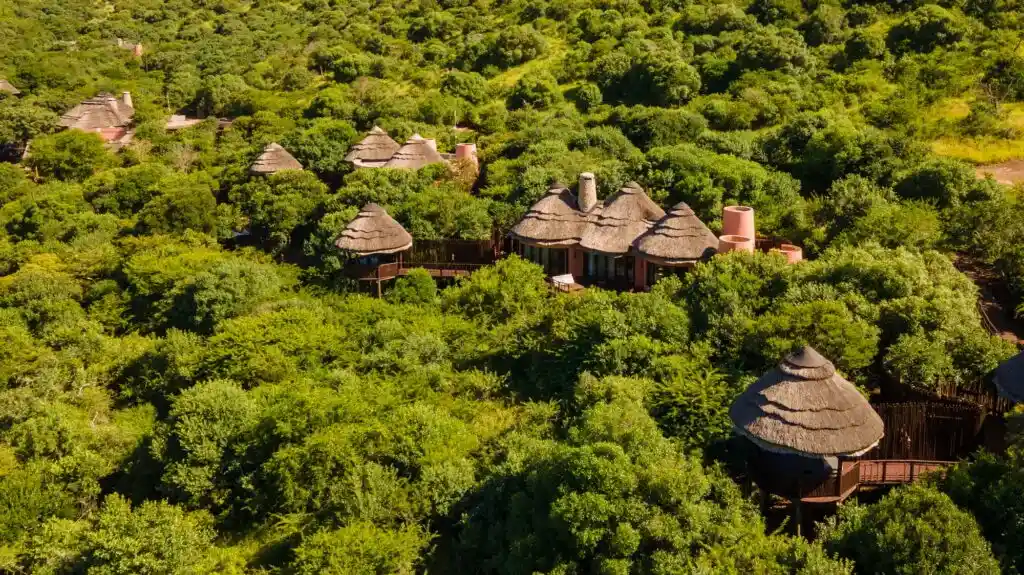
Tourism brings real income to Moshi and the Kilimanjaro region, but it also puts pressure on the mountain, the parks and the communities around them. Your choices make a difference, starting with the company you book. This page sets out what we do, the rules that apply on your trip and how you can help. We have kept it to things we can stand behind, because a long list of promises is easy to write and hard to check.
On the mountain
How we support porters on Kilimanjaro
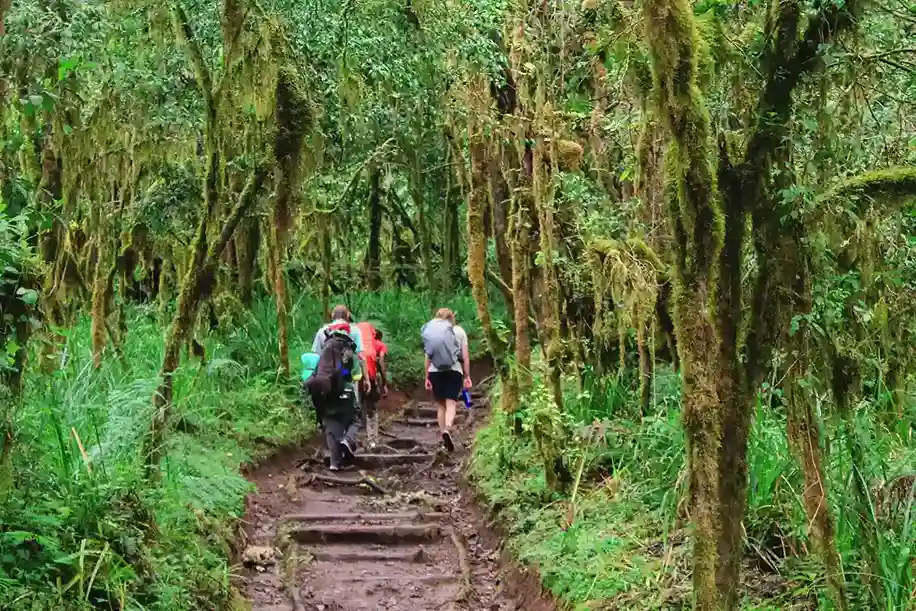
Porters carry the food, tents and equipment that make a climb possible, and their working conditions vary from company to company. We are a partner of the Kilimanjaro Porters Assistance Project (KPAP), an organization that works to improve how porters are treated on the mountain.
Every climber with us has one guide, five porters and one cook, whatever the size of your group. Having enough crew helps to keep loads manageable. When you compare companies, ask how many porters you will have and whether the company works with KPAP. A price far below others is also worth questioning, as our Kilimanjaro cost guide explains.
Tips are an important part of crew income in Tanzania, and they are not included in your price. We give you guidance before your trip, and you hand tips directly to the crew at the end.
Leave no trace
How to keep Kilimanjaro clean on your climb
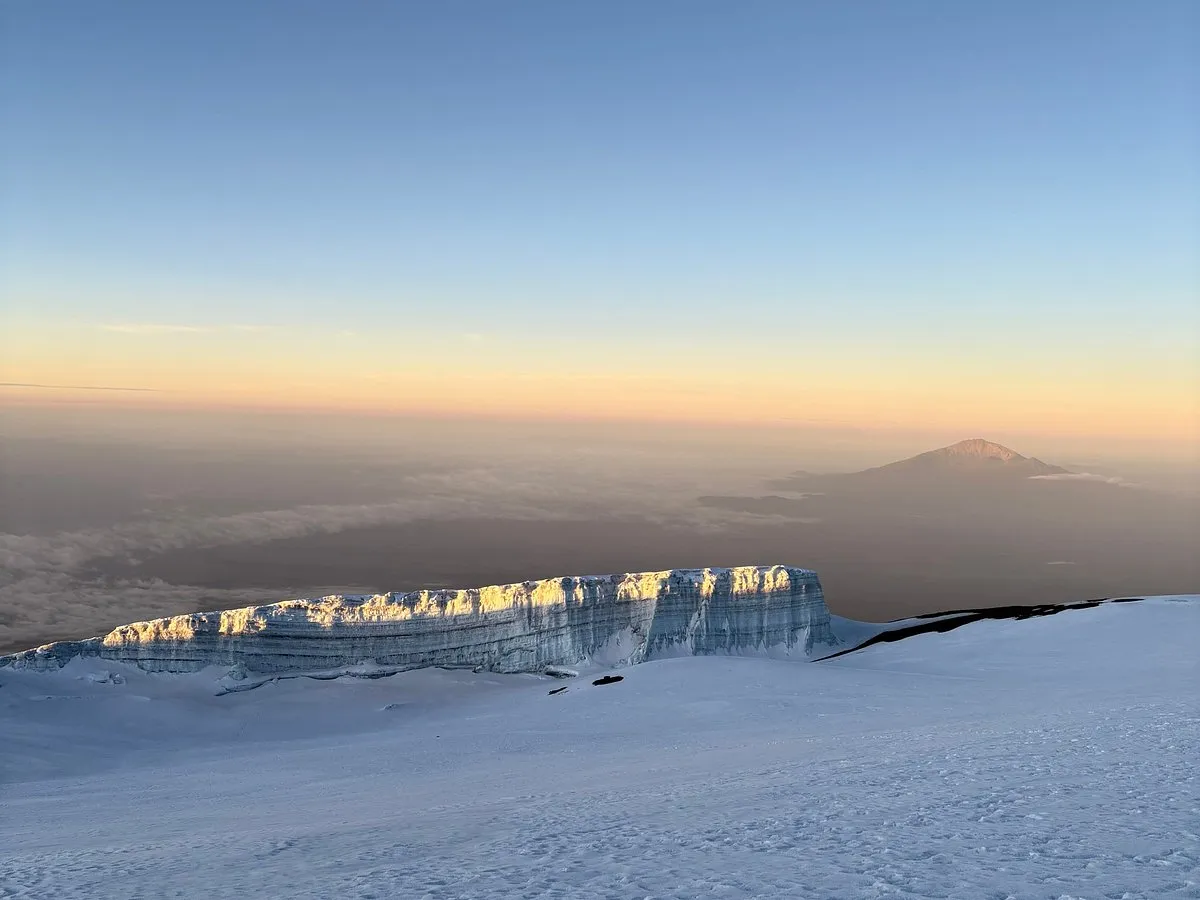
Thousands of people climb Kilimanjaro each year, so small habits add up. Carry your own trash until you can hand it to your crew, and never leave wet wipes or tissues along the trail. Use the toilets at camp where you can. Stay on the path, because shortcuts damage the plants and speed up erosion.
Bring a refillable bottle instead of single-use plastic, which our Kilimanjaro packing list covers. Your guide can answer any questions about the mountain's rules at your pre-climb briefing.
In the parks
How to watch wildlife responsibly on safari
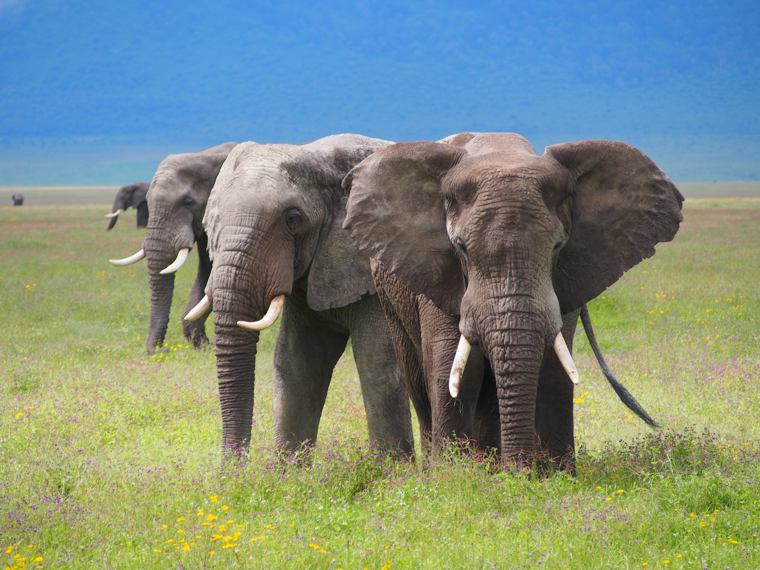
Tanzania's national parks and the Ngorongoro Conservation Area have their own rules, set by Tanzania National Parks (TANAPA) and the Ngorongoro Conservation Area Authority. Park and conservation fees are included in our safari prices, and they help to fund these protected areas.
On a game drive, you can help by keeping your voice down near animals and staying in the vehicle unless your guide says otherwise. Never feed wildlife. Do not ask your guide to chase an animal, leave the road or get closer than is safe for a better photo. A patient sighting is often the better one, and our Tanzania safaris are private, so you can wait as long as you like.
With local people
How to visit local communities with respect
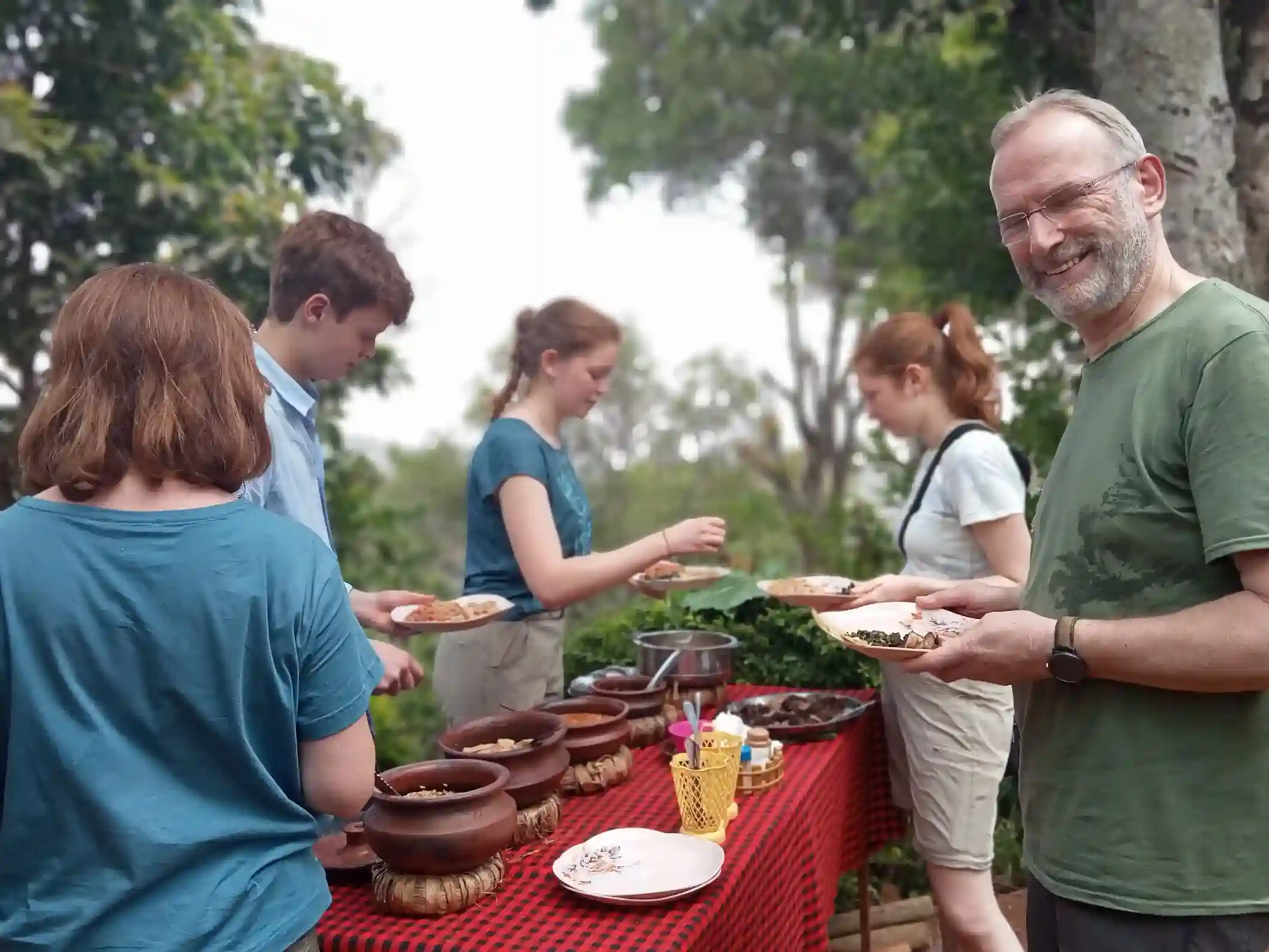
A visit to a coffee farm or village is often a highlight, especially on our cultural day trips. Always ask before you take a photo of someone, and follow your guide's advice on any fees or customs. If you would like to give something, ask your guide how to do so properly, rather than handing out sweets or money to children.
Spending locally also helps. Buy crafts and coffee from local sellers, eat at local restaurants in Moshi, and pay a fair price without pushing too hard when you bargain.
Honest information
What you won't find on our website
Kijaniwazi Tours was registered in September 2026, so we have no long record to show you yet. We won't invent reviews, testimonials or success rates, and we won't claim credentials we do not hold. You can read what we do have, including our license numbers and our guides' training, on our About page. When something can change, such as prices or park rules, please check the details with us before you travel.
Questions about how we work?
Ask us about crew, porters or anything else on this page before you book.