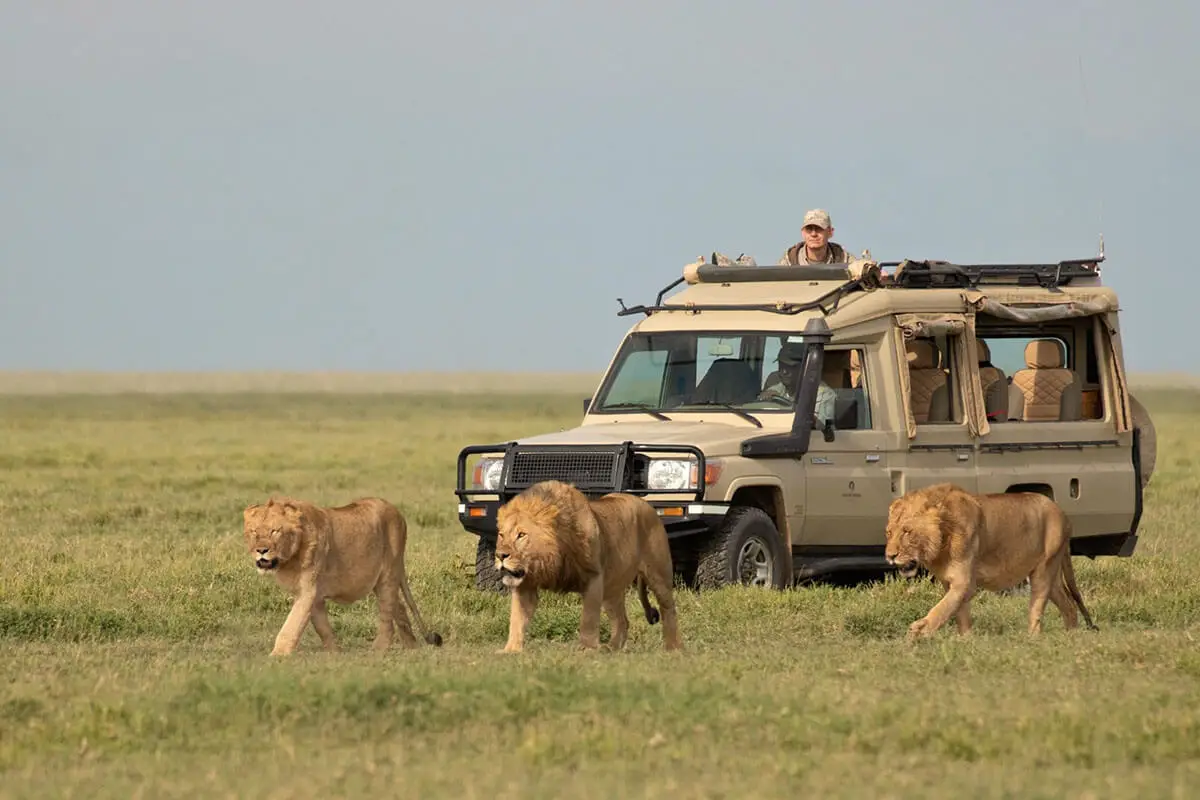
3-Day Tarangire and Ngorongoro Safari
From $1,920
View itinerary
Few things stay with children like seeing a real elephant walk past the car. A family safari can be the trip they talk about for years. It can also go wrong if you plan it like an adult trip, with long drives, early starts and nothing for a tired six-year-old to do.
This guide covers the best age to go, which parks and trip lengths work best, and how to keep everyone happy along the way. All of our safaris are private, so you can set the pace your family needs.
Many families find that children from about six upward enjoy a safari most, since they can spot animals, stay interested and manage longer drives. Younger children can come too, but you will want shorter trips. Some camps have minimum age rules, so tell us your children's ages, and we will check.
Four to seven days works well for many families. On a shorter trip, you avoid too many long days. On a longer one, you can stay two nights in each place, which means less packing and more time to rest. Our 3-day safari is a gentle starting point for young children.
Tarangire is close to Moshi and full of elephants, which children tend to love. Ngorongoro Crater offers many animals in a small area, so there is less waiting. The Serengeti is unforgettable, but it involves longer drives, so it suits older children better. Flying can shorten long journeys, and we can quote this for you.
Yes, with sensible care. Children must stay in the vehicle during drives and follow the guide's instructions. Many camps are unfenced, so children need supervision and an escort after dark. Talk to a travel clinic about malaria protection and vaccines, as some medicines have age limits.
Families often get good value on a private safari, because the vehicle cost is shared. For example, our 5-day safari starts from $2,625 per person for a group of four at mid-range level. Ask us about prices for children, as these vary by camp and park.
From $1,920
View itinerary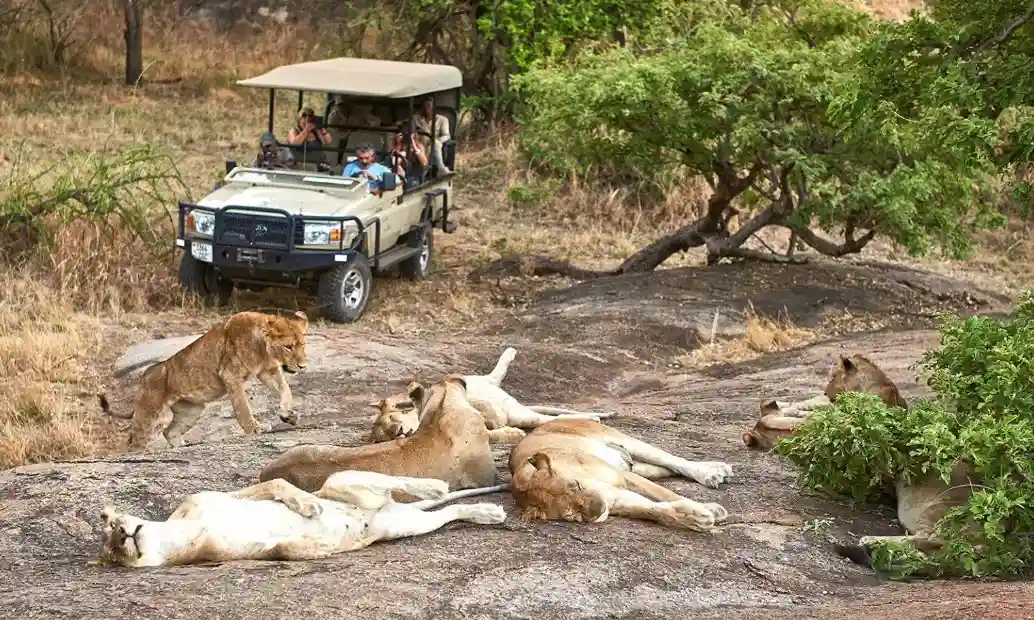
From $3,040
View itineraryFinishing on Zanzibar gives children time to run around after the drives. Our 8-day safari and Zanzibar trip is a good base to start from, and we suggest adding extra nights on the island.
Your driver-guide is with you from the first morning to the last drive, and much of what you see depends on them. Our guides have worked on Tanzania tours for 7 years. They are graduates of the College of African Wildlife Management, Mweka, and the National College of Tourism, and they hold certification from those institutions.
June to October is the most reliable time for wildlife, and January to March brings calving in the south. See our best time guide and our packing list. See a travel clinic six to eight weeks before you leave. Malaria is a risk in the safari parks, so ask about tablets and bring repellent. Travel insurance is not included, and we strongly recommend a policy that covers medical care and evacuation.
Tips are not included in the price, and they are appreciated. Common guidance is about $15 to $25 per traveler per day for your guide, or about $40 to $50 per vehicle per day on a private safari, plus about $10 to $15 per guest per night for camp and lodge staff.
A morning might start a little later than on an adult safari, with breakfast at camp before you head out at about seven. Two or three hours is plenty for most children, so you come back before they get restless. Midday is for lunch, a swim if the lodge has a pool, and a rest. A shorter drive in the late afternoon brings out the animals again, and dinner and an early night follow.
On a private trip, your guide will adjust all this. Good guides enjoy children's questions, and many are happy to teach them about tracks, droppings and how to spot a lion hiding in long grass.
Look for family rooms or connected tents, a pool, space to run around and a fence or careful supervision. Tell us your children's ages, as some tented camps do not take very young children, and some have rules for game drives. Mid-range lodges are often the best fit, with more space and more relaxed rules than small luxury camps. Our mid-range guide explains what to expect.
A visit to a Maasai community can be a highlight, if your guide arranges it respectfully. Near Moshi, Materuni Waterfalls and the Chemka Hot Springs make easy family days out. A few nights on Zanzibar gives everyone time to relax after the drives.
Bring light layers, because mornings are cold and afternoons are hot, and a warm top for the Ngorongoro rim. A small pair of binoculars, an animal checklist and a cheap camera will keep children busy. Pack favorite snacks, simple games and a tablet for long drives, plus any medicines you need. Our safari packing list covers the rest.
A good family trip might start with a night in Moshi, with a day trip to Chemka Hot Springs to shake off the flight. Then comes two nights in Tarangire, where short drives bring plenty of elephants. From there, travel on to Karatu for two nights, with a day on the Ngorongoro Crater floor and a rest at a lodge with a pool. You could finish with a few days on Zanzibar. Older children might also enjoy a few nights in the Serengeti.
Teenagers often love safaris more than parents expect, especially when they have a job to do. Lend them a camera or binoculars, and ask them to keep the checklist. Longer trips work fine at this age. You could add an adventure such as a day hike, a Maasai village visit or even a Kilimanjaro climb for fit older teens. Limited Wi-Fi may be a shock at first, but it often turns out to be one of the best parts of the trip.
Safaris work well for grandparents, parents and children together, as you can all share the same vehicle, or split up if you need two. Older travelers may want shorter days, while teenagers may want more action, so a private trip gives you the flexibility to suit everyone. Tell us about any mobility needs, and we will suggest lodges with easy access and fewer steps.
There is no single rule for all parks, but some camps and activities set their own limits. Tell us your children's ages.
They can be. On a private safari, you can make them shorter.
Yes, in the safari parks. Speak to a travel clinic about the right protection.
Many camps and lodges have family options. Tell us what you need.
Start with how much driving they can handle, then choose your parks. Send us their ages and your dates, and we will suggest a trip.
Tell us your dates, group size and budget, and we will send a written quote from Moshi.