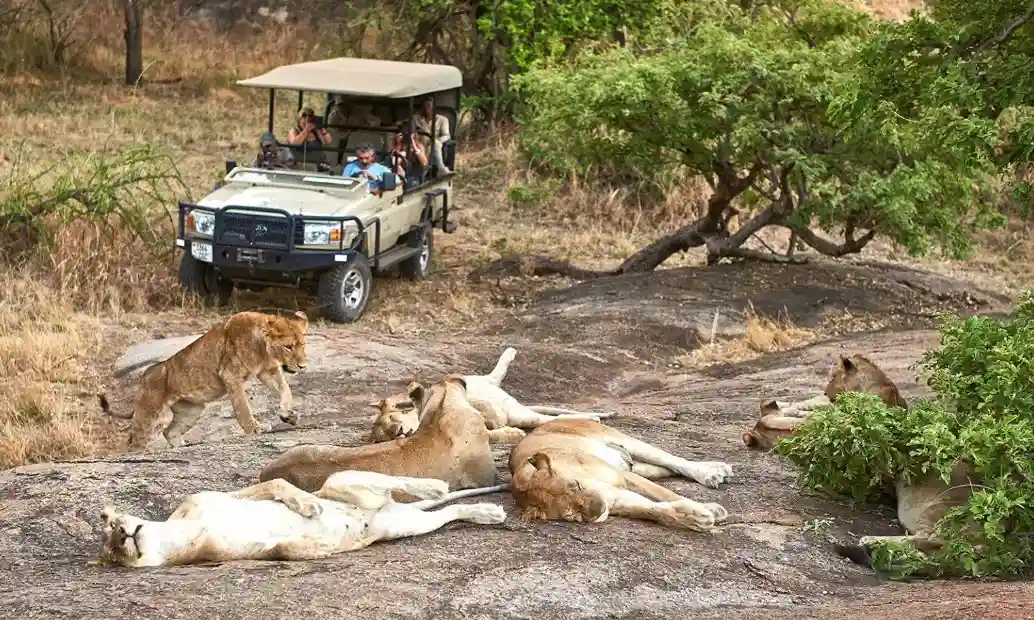
5-Day Northern Circuit Safari
From $3,040
View itinerary
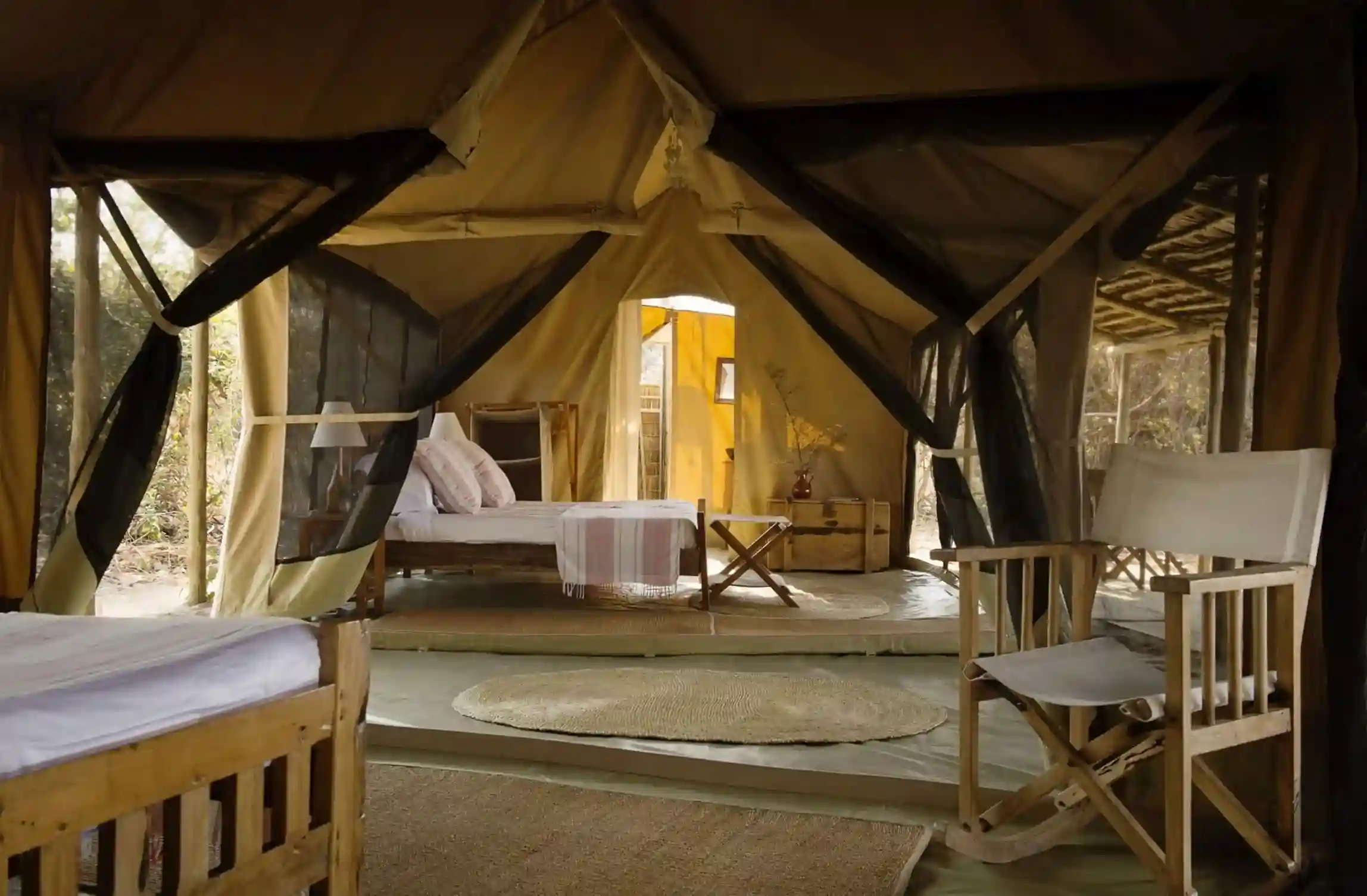
Most people who travel on safari find that mid-range is where comfort and value meet. You sleep in a real bed, with your own bathroom and a hot shower, and you are served good meals, without paying several times the price for a lodge's infinity pool that you hardly use because you are out watching lions.
All of our safaris are priced at mid-range level as standard. This guide explains what that really means and shows you every trip we run.
Mid-range safaris usually use permanent or semi-permanent tented camps and comfortable lodges, in or close to the parks. Expect a proper bed, an en-suite bathroom, hot water, and full-board meals. Standards do vary, so we will tell you where you are staying in your quote.
Prices are per person with two people sharing.
| Safari | Mid-range price from, per person |
|---|---|
| 2-Day Tarangire and Ngorongoro Safari | $1,295 |
| 3-Day Tarangire and Ngorongoro Safari | $1,920 |
| 4-Day Tarangire, Serengeti and Ngorongoro Safari | $2,610 |
| 5-Day Northern Circuit Safari | $3,040 |
| 6-Day Northern Circuit Safari | $3,605 |
| 7-Day Northern Circuit Safari | $4,230 |
| 8-Day Safari and Zanzibar | $4,490 |
| 9-Day Extended Northern Circuit Safari | $5,215 |
| 10-Day Safari and Zanzibar | $5,620 |
The parks, animals and vehicle are much the same at every level. The difference is mostly where you sleep and eat. Moving up from budget usually gets you en-suite rooms and better locations, and that is often the most noticeable jump. Moving up to luxury gets you more space, privacy and service.
Safari days start early and finish late, so sleeping well matters. Mid-range lodging gives you that, and it can put you in the park at dawn. Few first-time travelers feel they are missing out, because most of your best memories will come from the vehicle.
From $3,040
View itinerary
From $4,230
View itinerary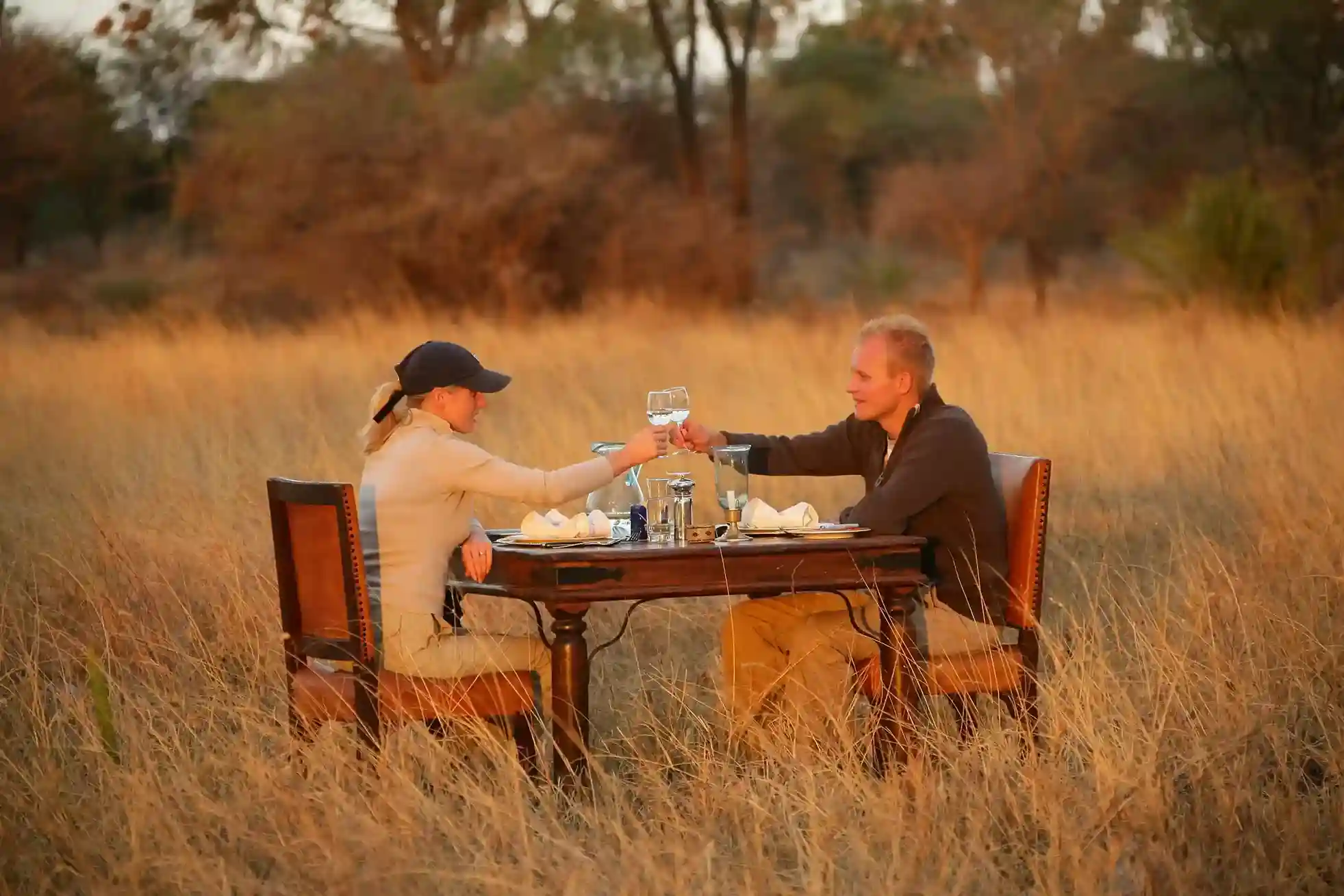
From $4,490
View itineraryLocation matters more than decor. Ask how far a camp is from the areas you want to visit, whether it is inside the park and how the rooms are set up. Camps in the right part of the Serengeti can save you hours of driving. We will suggest options that match your dates.
Your driver-guide is with you from the first morning to the last drive, and much of what you see depends on them. Our guides have worked on Tanzania tours for 7 years. They are graduates of the College of African Wildlife Management, Mweka, and the National College of Tourism, and they hold certification from those institutions.
June to October is the most reliable time for wildlife, and January to March brings calving in the south. See our best time guide and our packing list. See a travel clinic six to eight weeks before you leave. Malaria is a risk in the safari parks, so ask about tablets and bring repellent. Travel insurance is not included, and we strongly recommend a policy that covers medical care and evacuation.
Tips are not included in the price, and they are appreciated. Common guidance is about $15 to $25 per traveler per day for your guide, or about $40 to $50 per vehicle per day on a private safari, plus about $10 to $15 per guest per night for camp and lodge staff.
After your afternoon drive, you return to camp as the sun goes down. There is time for a hot shower and a drink before dinner, which is usually a good three-course meal, often served in a dining tent or an open lodge. You might sit by a fire and talk about the day with your guide. Staff walk you to your tent after dark, because wild animals can pass through unfenced camps. You fall asleep to the sound of the bush, and a hot drink arrives before your dawn drive.
These put you closer to the sounds and feel of the bush, with canvas walls but real beds and private bathrooms. Some move with the seasons to stay near the migration.
These are permanent buildings, usually with more facilities such as a pool, and they often suit families better.
Many travelers mix the two, staying at a lodge on the Ngorongoro rim, for example, and at a tented camp in the Serengeti.
Staying inside a park means you are among the animals at first light, and you spend less time at the gates. In the Serengeti, this makes a big difference, because the distances are so large. Near Ngorongoro, lodges in Karatu are a good option at lower cost, and at Lake Manyara, many camps sit just outside the park. We will explain the choices in your quote.
Many camps charge more from June to October and around the holidays. Some offer lower rates from November to March, and more still in the April and May rains, when a few close. If your dates are flexible, ask us to compare months. Our best time guide will help you weigh the weather against the savings.
One of the best ways to spend a safari budget is to stay mid-range for most of the trip, then treat yourself to a night or two somewhere special, such as a crater-rim lodge or a small camp in the north. See our luxury safari guide for ideas, and ask us to price it both ways.
Most first-time visitors, families and couples are well served at this level. If you are happy with very simple rooms, a budget safari will save you money. If this is your only safari or a honeymoon, it may be worth looking at a higher level. Tell us what comfort means to you, and we will match your trip to it.
| Budget | Mid-range | Luxury | |
|---|---|---|---|
| 5-day price from | $2,260 | $3,040 | $4,580 |
| Typical lodging | Simple camps and guesthouses | Tented camps and lodges | Top camps and lodges |
| Location | Often outside the parks | In or near the parks | Often in prime spots |
| Best for | Tight budgets | Most travelers | Special occasions |
Prices are per person with two sharing. For an example of what you get at each level, ask us to send you the same itinerary at all three.
Food is often a pleasant surprise. Most camps serve a cooked breakfast, a good lunch, either at camp or as a picnic, and a three-course dinner. You will usually find a mix of international dishes and local food. Tell us about any dietary needs when you book, as camps can usually cater for vegetarians and for many allergies if they have notice. Drinks other than water are often extra.
Our 7-day safari shows how this level works. You might stay at a tented camp near the Tarangire River, a lodge near Lake Manyara, a camp in the central Serengeti, and return via the crater. Each stay offers a real bed, a private bathroom and full meals. The whole trip starts from $4,230 per person with two sharing. It is a good base for adding a night or two at a higher level if you wish.
A safari using comfortable tented camps and lodges with en-suite rooms and full meals, at a cost between budget and luxury.
Yes. Follow the camp's rules, and use an escort after dark where needed.
It varies, and it is often limited. Check when you book if you need to stay connected.
Yes. Many people treat themselves to a special camp for a night or two.
It gives you the comfort you need for early starts, at a fair price. Send us your dates, and we will suggest camps.
Tell us your dates, group size and budget, and we will send a written quote from Moshi.