How long should I train for Kilimanjaro?
Allow at least 12 weeks if you are already fairly active, and longer if you are starting from a low level.

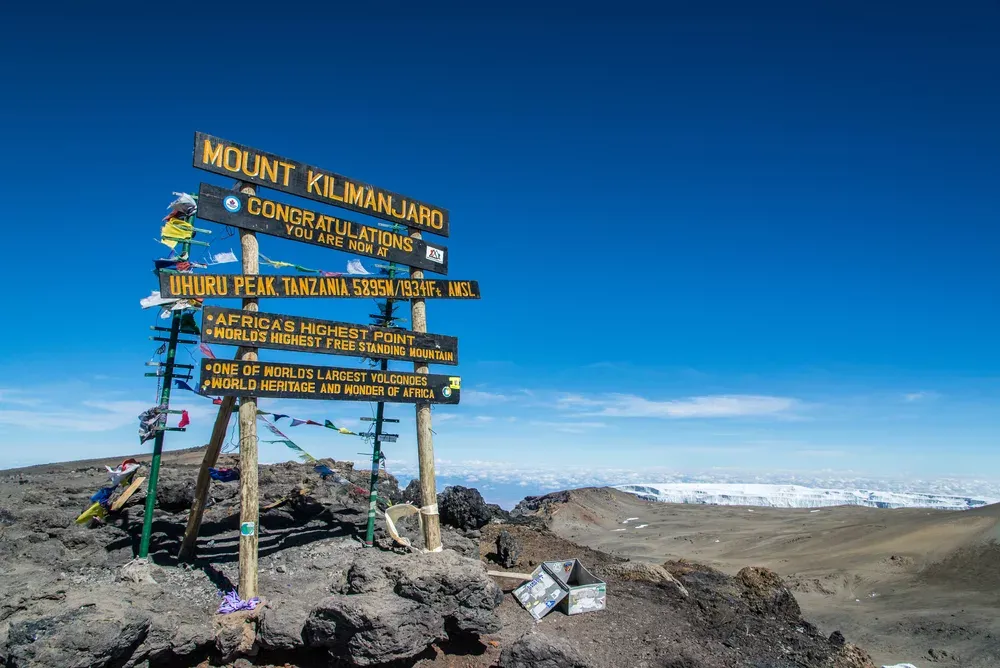
You do not need to be an athlete to climb Kilimanjaro, but you do need to prepare. Most of the walking is not especially hard. What wears people down is doing it for hour after hour, day after day, at altitude, and then climbing through the night on tired legs. The climbers who enjoy the mountain most are usually the ones who arrived with energy to spare.
The best training for Kilimanjaro is simple: walk uphill for hours while carrying a daypack. This guide gives you a 12-week plan, shows you what matters most, and explains what to do if you live somewhere flat. Talk to your doctor before you begin, especially if you have a health condition.
A good benchmark is being comfortable walking 6 to 8 hours on hilly ground, two days in a row, with a 5 to 6 kg (11 to 13 lb) daypack. You will walk 4 to 8 hours on most days, then 11 to 15 hours on summit day. You do not need to be fast. In fact, speed is a disadvantage here, as you will read in our altitude sickness guide.
Training will not stop altitude sickness, so choose enough days on the mountain as well. Your fitness and your days work together.
| Weeks | Cardio | Strength | Weekend hike |
|---|---|---|---|
| 1 to 4 | 3 sessions of 30 to 45 minutes: brisk walking, cycling, stairs or running | 2 sessions: squats, lunges, step-ups, core | 2 to 3 hours with a light pack |
| 5 to 8 | 3 to 4 sessions of 45 to 60 minutes, some on hills | 2 sessions, with more step-ups | 4 to 5 hours with 5 to 6 kg (11 to 13 lb) |
| 9 to 11 | 3 to 4 sessions of up to 60 minutes | 1 to 2 sessions | Two days in a row of 5 to 7 hours, with hills |
| 12 | Short, easy sessions | Light or none | One easy walk, then rest before you travel |
If you are starting from a low level of fitness, add four to eight weeks at the beginning. If you are already a regular hiker, you can shorten the early weeks, but keep the back-to-back hikes.
The goal here is consistency. Do not worry about speed. Get used to moving most days, and start wearing your boots on your walks.
Your hikes get longer, and your pack gets heavier. Practice eating and drinking while you walk, because you will need to do that on the mountain.
This is the most valuable stage. Long hikes on consecutive days teach your legs what the mountain will ask of them. If you can do this comfortably, you are well prepared.
Do less than you think you should. Arriving rested is more useful than one last long hike.
Long, slow days prepare you better than short, fast runs.
Downhill walking is hard on your knees, especially after summit night. Include descents in your training, and practice with poles.
Wear them on your long hikes so that they are comfortable before you arrive. Blisters on day two are a miserable, and avoidable, problem. See our Kilimanjaro packing list.
Practice with the bag, water system and layers you plan to use.
Practice a pace you could keep up all day while chatting. That is much closer to mountain speed than you might expect.
You do not need a gym. Two short sessions a week of these exercises will strengthen the muscles that matter.
Use stairs, a stair machine or an inclined treadmill, and carry your pack. Office or apartment stairs work well for short sessions. If you can, take a practice weekend in the hills before you travel, because nothing replaces walking on rough ground.
No, although it can help. If you can spend time at altitude before your climb, such as on a nearby high mountain, your body will have a head start. Most climbers cannot do this, so they take more days on the mountain instead, and that works well. Altitude tents and masks are expensive and unnecessary for most people.
If you are unsure about your fitness, choose a longer climb with shorter days, such as the 8-day Lemosho or 7-day Rongai. Shorter climbs like the 6-day Machame ask more of you each day. Our route comparison can help you decide.
Here is how a typical week might look around weeks 5 to 8, when you are building endurance. Adjust it to fit your life.
| Day | Session |
|---|---|
| Monday | Rest or a gentle walk |
| Tuesday | 45 to 60 minutes of cardio, with some hills |
| Wednesday | Strength: step-ups, squats, lunges and core |
| Thursday | 45 minutes of stairs or incline walking, with your pack |
| Friday | Rest |
| Saturday | 4 to 5 hour hike with your pack and boots |
| Sunday | Strength, or a shorter hike to test tired legs |
Use your long hikes to practice what you will do on the mountain. Aim to drink regularly, not only when you feel thirsty, and work up to about 3 liters (3 quarts) over a long day. Try different snacks, because some foods that taste good at home are hard to face when you are tired. If you plan to use a hydration bladder, practice with it. If you plan to use bottles, make sure you can reach them without taking off your pack.
Summit night is as much a mental challenge as a physical one. You will walk slowly for hours in the dark, feeling cold and tired, and you will want to stop. It helps to have practiced being uncomfortable. Some climbers do a long hike in bad weather or start one before dawn to get a taste of it. Decide now why you are climbing, because that reason is what you will reach for at 3 a.m. Break the night into small goals, such as the next rest stop, rather than thinking about the summit.
Allow at least 12 weeks if you are already fairly active, and longer if you are starting from a low level.
Yes. Many first-time trekkers succeed with good training and a longer route.
Running helps your heart and lungs, but long hikes with a pack are more useful. Do both if you can.
Many older climbers reach the summit. Age matters less than health and pace. Check with your doctor first, and choose a longer climb.
Build up to about 5 to 6 kg (11 to 13 lb), roughly what you will carry on the mountain.
If you do only one thing, go for long hikes on back-to-back weekend days, with your boots and your pack. Add stairs or step-ups during the week. Then give the mountain enough days. Tell us how your training is going, and we will help you choose a route that matches.
Tell us how you train and how many days you have, and we will suggest a route.