Can I charge devices on Kilimanjaro?
Plan not to. Bring a power bank or spare batteries, and keep them warm.

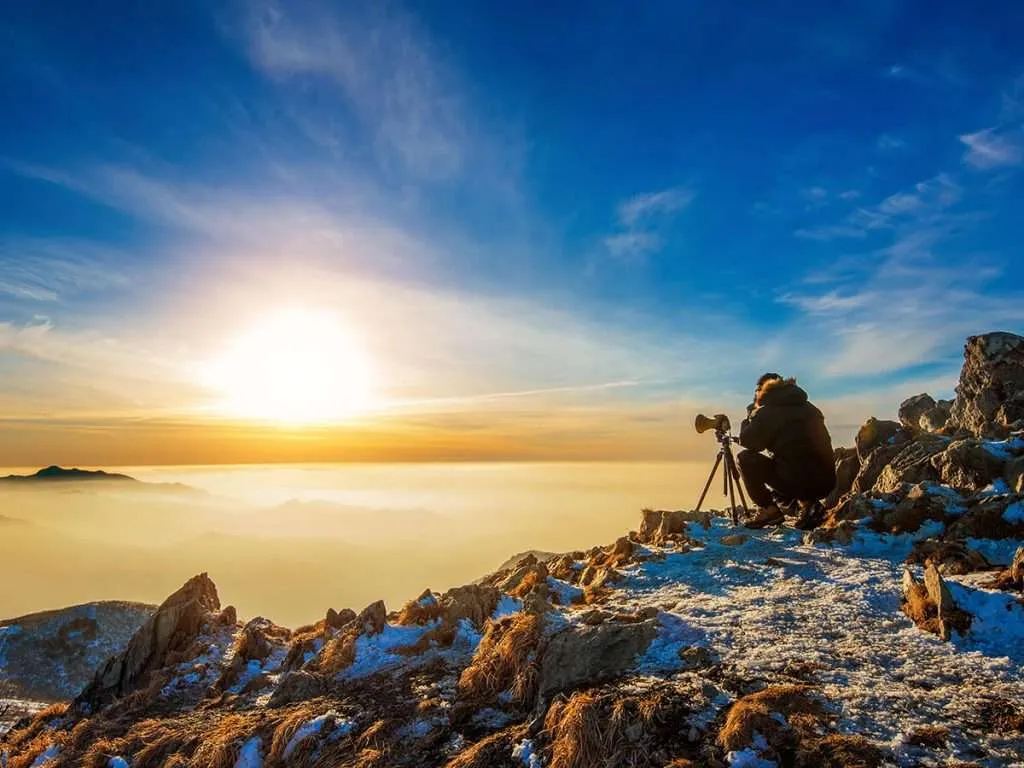
Kilimanjaro gives you some of the best views you will ever see, and some of the worst conditions for taking photos of them. Batteries die in the cold, dust gets into everything, and on summit morning your fingers may barely work. The sunrise you have climbed all night to see lasts only minutes, and it comes when you are at your most tired.
A little planning solves most of these problems. A good phone or a light mirrorless camera is enough. This guide covers what to bring, how to keep it working and where the best photos are on each route.
| Item | Why |
|---|---|
| Phone or light camera | The lightest setup you are happy with. Weight matters above 4,000 meters (13,100 feet). |
| Wide or zoom lens | If you bring a camera, one wide-to-mid zoom covers most scenes. |
| Spare batteries or a power bank | Keep them warm and close to your body. Do not rely on charging on the mountain. |
| Memory cards | Bring more than you expect to need. |
| Dry bag | Protects your kit from rain and dust. |
| Lens cloth | Volcanic dust gets everywhere. |
Remember that you carry your camera yourself. Every extra lens feels heavier at altitude, and most climbers who bring a big kit wish they had not.
For most people, yes. Modern phones handle landscapes and portraits well, and you can use one with cold hands. A camera mainly helps with zoom and low light. If you already own a camera you love, bring it. Do not buy new gear only for this trip, since you will have enough to think about.
Cold is the biggest enemy of batteries. Keep spare batteries and your phone in an inside pocket, close to your body, and turn devices off when you are not using them. Bring your camera indoors gradually at camp, because moving between cold and warm air can cause condensation. Store your device in a sealed bag when you enter a warm tent, and let it warm up slowly.
Moss, giant ferns and colobus monkeys. Soft light works best here.
Wide landscapes with Kibo ahead, on the Lemosho and Machame routes.
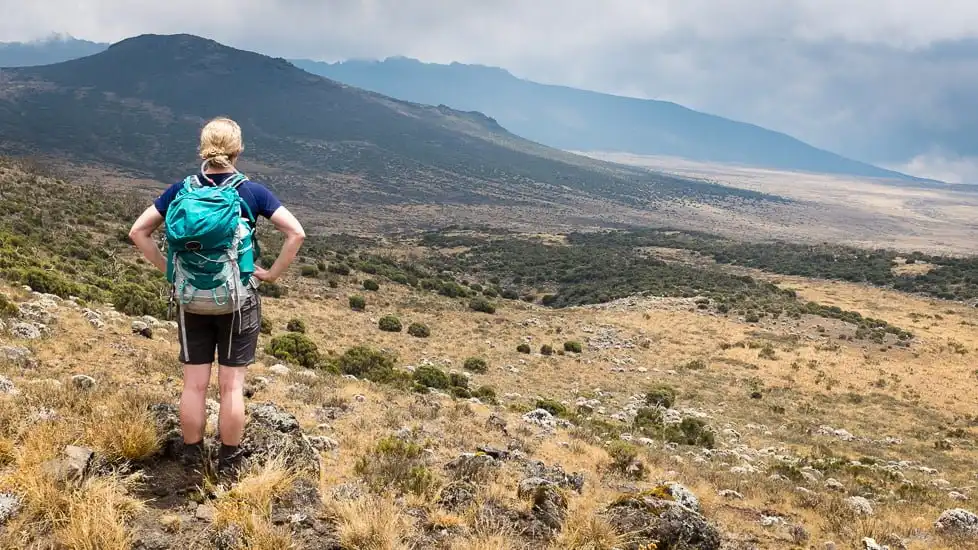
Giant groundsels, with the Wall behind camp.
A small lake below jagged peaks, on the Rongai Route.
The sun rising over Mawenzi, with a sea of cloud below.
The famous summit sign. Expect a short queue on busy mornings.
Most of the climb is in the dark, so do not expect to take many photos. Keep your phone or camera inside your jacket until sunrise, and take your shots quickly at the top, as taking off your gloves at this altitude means cold hands very fast. Your guide can take your summit photo. Your health comes first: if you feel unwell, leave the camera and go down.
The hour after sunrise and the hour before sunset are the best times. Camps are often at their most beautiful then, with Kibo glowing and clouds below you. The midday sun is harsh at this height, so use that time to walk and rest. Clear nights high on the mountain can also show an extraordinary number of stars, if you are willing to step out of your warm tent.
Your crew and other climbers are not scenery. Ask before photographing people, and ask your guide before you stop on narrow paths or at busy spots. Many climbers later say that their favorite photos are of the people who got them to the top, so do take a group photo with your crew. Learning a few words of Swahili, such as "asante" for thank you, goes a long way.
Do not assume you can. Drones need permission in Tanzania and in national parks, and the rules can change, so check them well before you travel. Otherwise, leave the drone at home. It is one less thing to carry.
A wide photo of the mountain can look small and empty. Add a climber on the path, and suddenly the size of the place becomes clear.
Giant groundsels, porters balancing loads on the trail, frost on your tent, and steam rising from a mug at sunrise often tell the story better than another summit view.
Being above a sea of cloud is one of the great sights of this climb. Wait for the moment when the clouds below catch the light.
A photo at each camp sign gives you a simple record of your journey, and it costs almost no effort when you are tired.
Bright sun on snow and rock can fool a camera into making everything too dark, so add a little exposure on snowy scenes. A polarizing filter can deepen the blue of the high-altitude sky, but be careful, since the sky can look almost black at this height. For stars, you need a camera or phone with a night mode and something to rest it on, as well as patience in the cold. On a phone, tap on the brightest part of the scene to help with sunrise shots. Shoot more than you think you need, and sort them out in Moshi.
A few short clips will mean more to you later than you might expect, especially of camp mornings, the crew singing and the walk along the crater rim. Keep clips short, because video drains batteries quickly in the cold. A small action camera is light, but its battery life suffers just as much, so keep a spare one warm in an inside pocket.
Use more than one memory card rather than one large card, and keep the used ones somewhere dry and separate from your camera. When you get back to Moshi, back everything up before you do anything else, ideally to the cloud or a second device. It would be a shame to climb for a week and then lose the photos at the airport.
Plan not to. Bring a power bank or spare batteries, and keep them warm.
It is patchy, and you should not rely on it. Some high points can have signal on clear days.
Keep them in an inside pocket, close to your body, and turn your device off when you are not using it.
Lemosho and the Northern Circuit are usually the most rewarding, thanks to the Shira Plateau and quieter paths.
Pack light, keep your batteries warm and put the camera down sometimes, because some of the best moments on the mountain are the ones you simply stand and watch. When you are ready to plan your climb, compare the routes and send us your dates.
Tell us your dates, and we will take care of permits, crew and logistics from Moshi.